

As winter fades and warmer temperatures return, homeowners naturally shift their attention to cooling systems. After months of little or no use, air conditioners may contain dust buildup, blocked airflow, or worn components. If these issues are not addressed early, the system may struggle during the peak summer heat.
Spring provides the ideal opportunity to prepare your air conditioning system for the upcoming season. Performing routine maintenance before the hottest months arrive helps ensure reliable performance and improved energy efficiency. It also allows homeowners to identify potential problems before they become costly repairs.
One of the most effective ways to prepare your cooling system is by following a structured spring AC maintenance checklist. This routine focuses on inspecting components, cleaning essential parts, and ensuring the entire system operates efficiently.
In this guide, we explore a complete spring maintenance routine for residential air conditioning systems. These steps help homeowners extend the lifespan of their equipment, improve cooling performance, and reduce energy costs during the warm months ahead.
1. Start Fresh: Inspecting Your Entire Air Conditioning System
Before turning your air conditioner on for the season, it is important to inspect the entire system. Many cooling issues develop slowly during months of inactivity. A thorough inspection allows homeowners to detect small problems early.
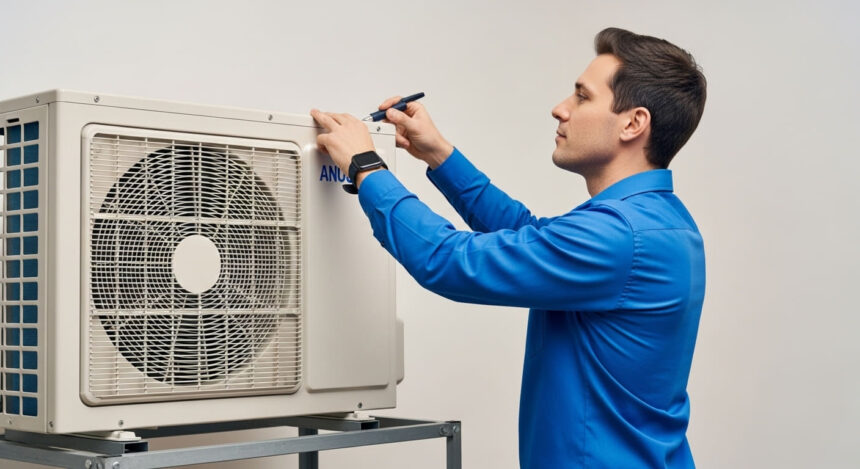
Begin by checking both indoor and outdoor AC units. Look for visible signs of wear, debris, or damage. Outdoor units often collect leaves, dirt, and other debris during the winter months, which can restrict airflow.
During the initial inspection, homeowners should check for:
- Loose wiring or damaged components
- Dirt buildup around vents and coils
- Unusual odours coming from vents
- Signs of corrosion on metal parts
- Obstructions around the outdoor condenser unit
These observations help identify whether professional servicing may be required before the cooling season begins.
Starting with a careful inspection ensures the system begins the season in good condition.
2. Replacing Air Filters: The Simplest Yet Most Powerful Maintenance Step
Air filters play a critical role in the performance of air conditioning systems. They capture dust, pollen, and airborne particles before air circulates through the home. However, when filters become clogged, airflow decreases and system efficiency drops.
Dirty filters force the air conditioner to work harder to push cool air through the system. This increases energy consumption and may shorten the equipment’s lifespan.
Replacing filters should be a priority in any spring AC maintenance checklist. Most filters should be replaced every one to three months, depending on usage and indoor air conditions.
Homeowners should consider these key points when managing air filters:
- Check filters before turning the AC on for the season
- Replace filters if they appear dusty or discoloured
- Choose high-quality filters that capture fine particles
- Mark replacement dates to maintain regular maintenance
Clean filters improve airflow, enhance indoor air quality, and allow the cooling system to operate more efficiently.
3. Clearing and Cleaning the Outdoor Condenser Unit
The outdoor condenser unit is responsible for releasing heat from the home. During winter, debris such as leaves, twigs, and dirt may collect around the unit.
If airflow around the condenser becomes restricted, the air conditioner must work harder to release heat. This reduces cooling efficiency and may cause overheating.
Spring cleaning of the outdoor unit is an essential part of AC maintenance. Homeowners should ensure that at least two feet of space surrounds the unit to allow proper airflow.
Effective cleaning steps include:
- Removing leaves, branches, and debris from around the unit
- Trimming nearby vegetation that blocks airflow
- Gently washing dirt from condenser fins with water
- Ensuring the unit sits level on its base
Maintaining a clean outdoor unit helps the system operate efficiently during the hottest months.
4. Checking Thermostat Settings and Smart Controls
Thermostats control how and when air conditioning systems operate. If thermostat settings are incorrect or outdated, the system may run inefficiently.
Spring is a good time to review thermostat settings and update cooling schedules. Adjusting temperatures gradually helps maintain comfort while reducing unnecessary energy consumption.
Many homeowners now use smart thermostats that automatically adjust temperatures based on daily routines. These devices can learn household patterns and optimise cooling schedules.
Important thermostat checks include:
- Confirming the thermostat switches properly to cooling mode
- Adjusting temperature settings for seasonal comfort
- Testing smart thermostat connectivity and scheduling features
- Replacing thermostat batteries if needed
Optimising thermostat performance ensures the air conditioner operates efficiently and maintains stable indoor temperatures.
5. Cleaning Vents and Ducts for Better Airflow
Air ducts and vents distribute cool air throughout the home. Over time, dust and debris may accumulate inside these pathways, reducing airflow.
Restricted airflow forces the air conditioner to run longer cycles, increasing energy consumption. It may also lead to uneven cooling across different rooms.
Spring maintenance should include cleaning visible air vents and ensuring that furniture or curtains do not block them.
Homeowners should focus on the following airflow improvements:
- Vacuum dust from vent covers
- Ensure vents remain fully open
- Move furniture away from air vents
- Inspect ducts for visible debris or damage
Improved airflow allows cool air to circulate freely and maintain consistent temperatures across the home.
6. Inspecting Refrigerant Levels and Cooling Performance
Refrigerant plays a key role in the cooling process. It absorbs heat from indoor air and transfers it outside through the condenser system.
Low refrigerant levels can significantly reduce cooling performance. In some cases, refrigerant leaks may develop gradually, causing the system to lose efficiency.
During a professional AC inspection, technicians measure refrigerant levels and inspect the system for leaks. Maintaining proper refrigerant levels ensures optimal cooling performance.
Homeowners may notice signs of refrigerant issues if the system struggles to cool rooms or runs continuously without reaching the desired temperature.
Monitoring cooling performance during the early spring months allows time for repairs before peak summer demand.
Final Thoughts:
Spring maintenance is one of the most effective ways to protect an air conditioning system. By taking time to inspect, clean, and test equipment before the summer season begins, homeowners can prevent many common cooling problems.
Following a structured spring AC maintenance checklist helps maintain strong airflow, improve energy efficiency, and extend the life of the system. Regular filter replacement, outdoor unit cleaning, thermostat adjustments, and professional inspections all contribute to reliable performance.
With proper preparation, air conditioning systems can deliver consistent cooling even during the hottest days of the year. Taking these simple steps in spring ensures that homes remain comfortable, efficient, and ready for the summer ahead.