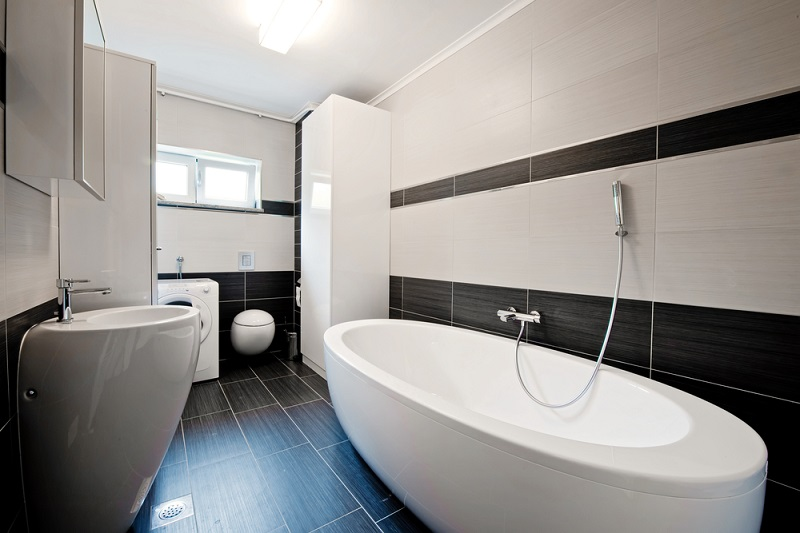


A reliable hot water system is one of the most important yet often overlooked components of a home. From daily showers and dishwashing to laundry and cleaning, hot water plays a vital role in everyday comfort. Choosing the right system is not just about convenience; it also impacts energy consumption, running costs, and environmental sustainability. With advancements in technology, homeowners now have several efficient options available, making it important to understand which system best fits household needs.
This guide explores the main types of hot water systems, key factors to consider, and how to make a smart, future-ready choice for your home.
Understanding Different Types of Hot Water Systems

Hot water systems come in various designs, each offering unique benefits depending on household size, budget, and energy preferences. The most common options include electric, gas, solar, and heat pump systems.
Electric hot water systems are widely used due to their affordability and simple installation. They are suitable for small to medium households and properties where gas connections are unavailable. However, electricity costs can make them more expensive to run over time.
Gas hot water systems heat water faster and are often more cost-effective for larger households. They are available in storage and continuous flow models, providing instant hot water on demand. Homes with existing gas connections typically benefit most from this option.
Solar hot water systems use energy from the sun to heat water, significantly reducing electricity or gas usage. While the upfront cost is higher, long-term energy savings and environmental benefits make solar systems a popular choice for sustainability-focused homeowners.
Heat pump hot water systems extract heat from the surrounding air to warm water efficiently. They consume less electricity compared to traditional electric systems and perform well in moderate climates, making them a growing trend in modern homes.
Factors to Consider When Choosing a Hot Water System
Selecting the right hot water system depends on several practical considerations. Household size plays a major role, as larger families require higher water capacity or continuous flow systems to avoid shortages. Smaller homes may benefit from compact and energy-efficient units.
Energy efficiency is another critical factor. Systems with higher efficiency ratings reduce ongoing utility bills and contribute to lower carbon emissions. Government rebates and incentives are often available for energy-efficient installations, further improving affordability.
Installation space and location should also be assessed. Some systems require outdoor installation, roof access, or sufficient airflow. Consulting a professional ensures the chosen system fits your home’s layout without complications.
Budget considerations should balance upfront costs with long-term savings. While cheaper systems may appear attractive initially, higher running costs can outweigh the initial investment over time.
Storage vs Continuous Flow Hot Water Systems
Storage hot water systems heat and store a fixed amount of water in a tank, making them suitable for predictable usage patterns. They are generally more affordable and easier to install, but hot water supply can run out during high demand.
Continuous flow systems heat water instantly as it flows through the unit, delivering unlimited hot water whenever needed. These systems are energy-efficient and ideal for households with varying usage times, though they may have a higher upfront cost.
Understanding daily hot water habits helps determine which system aligns best with household routines.
Benefits of Choosing the Right Hot Water System
The right hot water system enhances daily comfort while reducing energy consumption and costs. Efficient systems provide consistent water temperature, faster heating, and improved reliability. They also contribute to property value, as energy-efficient upgrades are increasingly attractive to buyers.
Environmental benefits are another advantage. Solar and heat pump systems significantly reduce greenhouse gas emissions, supporting sustainable living without sacrificing performance.
Professional Installation and Maintenance

Proper installation ensures safety, efficiency, and compliance with regulations. Licensed professionals assess water pressure, electrical or gas connections, and positioning to optimise performance. Regular servicing extends system lifespan and prevents costly breakdowns.
Maintenance includes checking valves, temperature controls, and system efficiency. Well-maintained hot water systems operate smoothly and deliver consistent results for years.
Frequently Asked Questions
What size hot water system is best for a family home?
The ideal size depends on the number of occupants and daily water usage. Larger families benefit from continuous flow or high-capacity storage systems, while smaller households can opt for compact units.
Are energy-efficient hot water systems worth the investment?
Yes, energy-efficient systems reduce long-term running costs and often qualify for government rebates, making them cost-effective over time.
How long does a hot water system typically last?
Most hot water systems last between 8 to 15 years, depending on type, usage, and maintenance.
Conclusion
Choosing the right hot water system is an important decision that impacts comfort, energy efficiency, and household expenses. By understanding available options, considering household needs, and prioritising efficiency, homeowners can make a smart investment that delivers reliable hot water for years to come. Professional guidance ensures the system is correctly sized and installed, providing peace of mind and long-term performance. A well-chosen hot water system not only supports daily living but also contributes to a more sustainable and cost-effective home.