
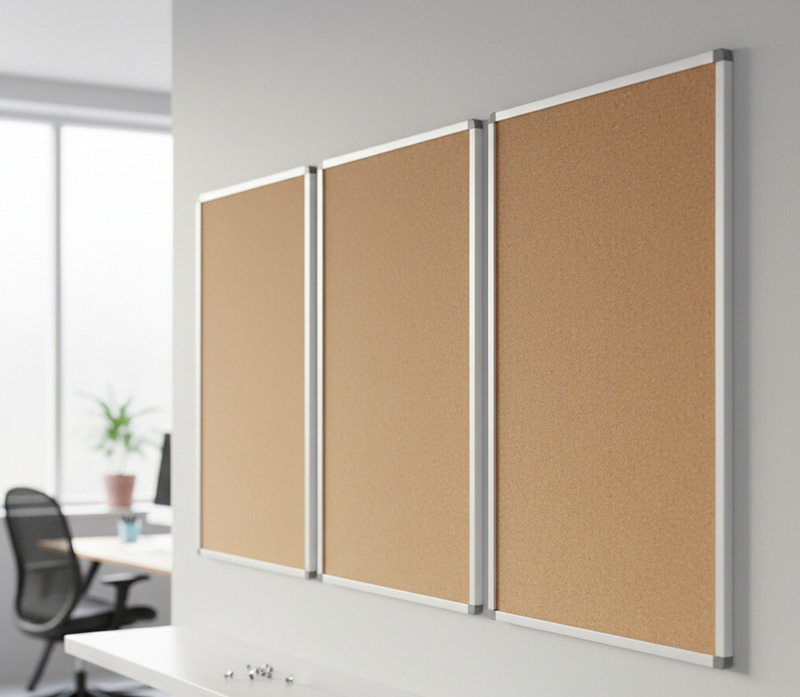
The classroom of an elementary school is more than simply a four-walled room; it is an ever-changing, vibrant environment where students learn the basis for something a little more profound: learning for life. For teachers in Victoria, the challenge has always been to maintain a balance between having an organized and creative environment. Perhaps one of the most underestimated tools in a teacher’s toolkit is the humble wall-mounted surface. By implementing excellent pinboards Melbourne strategically into the classroom environment, teachers are able to convert static walls into interactive hubs alive with sensory experiences that meet diverse learning styles.
At these early years in school, visual communication becomes quite critical. Children depend a lot on environmental cues to understand routines, learn new vocabulary, and establish a sense of belonging. The transformation from merely using these surfaces for “notices” to treating them as active teaching devices makes a great impact on student engagement.
Why Pinboards Melbourne are a Staple in Educational Design
The present-day teaching paradigm places great emphasis on the Third Teacher–the conception that the physical environment itself is a cardinal operator in the teaching and learning process. The finishes chosen for the walls matter in an environment where classroom sizes are small and noise levels are high in a downtown area. Schools are inclined to procure the services of high-grade pinboards Melbourne, for these accomplish two tasks at once: offering a space for more permanent visual aids and functioning as additional acoustic treatment.
Standard plaster walls do reflect sound, thus, create echoing and prolong reverberation which could easily wash young ears away along with those who might have auditory processing problems. When acoustic-grade fabric wall surfaces get installed in a school, it means taking several decibels off the room’s total noise, creating a more relaxative space suited for concentration. These surfaces are further fortified against the rigors of primary school life, where displays get changed weekly while works from students are pinned and re-pinned almost infinitely.
Improving Literacy with Pinboards Melbourne
An important focus within the primary curriculum is reading and writing. They are supported powerfully by means of a “Living Word Wall” where new entries are added while words that have been there for some time are removed intermittently. This is nothing like the dull process of filing and putting up a static list of words since, in this case, students are truly interacting with the vocabulary!
Teachers can use pinboards Melbourne to display the Victorian Modern Cursive alphabet alongside a selection of “Tier 2” vocabulary words under study. With a hook-and-loop receptive fabric, students can manipulate the words to categorize them by prefix, suffix, or synonym. Such kinesthetic involvement supports an active pairing of a visual word with its meaning, turning literacy into a very hands-on activity and away from just passive process.
Promoting Inclusivity through Pinboards Melbourne
Inclusion is the central theme of the Victorian education system. These visual supports allow predictability, a vital element for students who are neurodivergent or speak English as an additional language. One dedicated section on pinboards Melbourne can be used to host a permanent visual timetable; identifying the location of premium pinboards Melbourne suppliers ensures that schools have access to the high-quality, acoustic-grade surfaces necessary to create these inclusive and supportive learning environments.
Using high-contrast icons with clear text, teachers can map the day’s transitions. This diminishes anxiety during “switch-over” times while allowing students to gain a sense of time management. Furthermore, the surfaces can also serve as hubs for Social-Emotional Learning (SEL) features such as “Mood Meters” or “Zones of Regulation,” whereby students could then quietly attach a peg or pin to show their feelings, discreetly allowing support from the teacher without drawing attention from the whole class.
Organizing the Classroom with Pinboards Melbourne
Presented clearly, an expectation leads to effective classroom management. The pinboards Melbourne can be the location for a “Classroom Command Center”. This will be the place for:
- Student Job Charts: Assignments of duties such as “Line Leader” or “Garden Monitor”
- Routine Daily: Identifying which groups are at the reading corner or STEM station.
- Calendar of Events: Marking upcoming excursions, birthdays, and assembly dates.
Having such information in one physical location makes it easy to refer to. Such an agenda gives them power to control their own thought processes and schedules.
7 Creative Ways to Implement These Tools
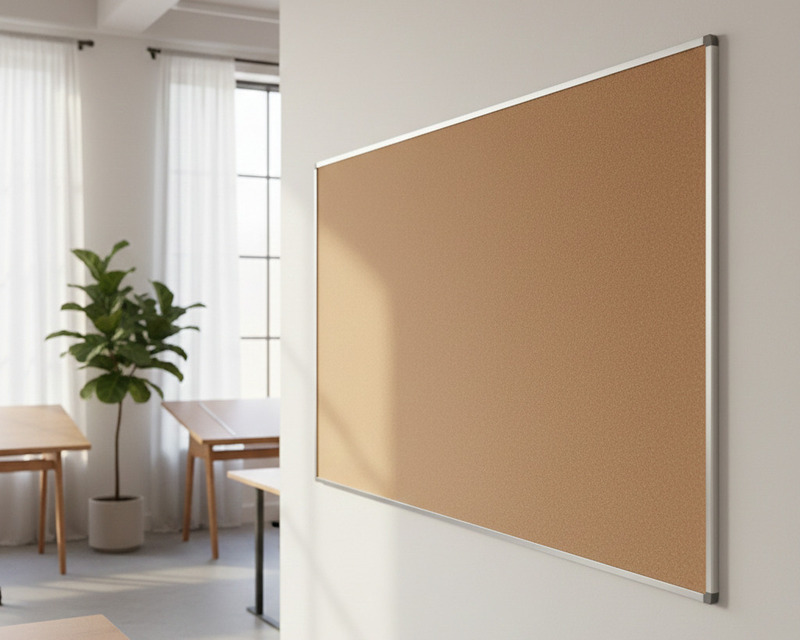
1. Inquiry-Based “Wonder Wall”
Inquiry-based learning encourages students to ask questions and seek answers. The “Wonder Wall” is a dedicated space where students can pin up sticky notes or drawings of things they are curious about. As the term progresses, the class investigates these topics, while the teacher adds photos, diagrams, and results to the board, creating a visual map of learning progress.
2. Rotating Student Achievement Galleries
Pride in one’s work is an extremely strong motivator; however, many teachers fall victim to leaving the same art project up for six months. Enter pinboards for Gallery 24 (or whatever the name of your room may be), where work gets rotated every Friday. This ensures that students see their work displayed often, thereby supporting growth mindset among all the children concerned.
3. Interactive Planning Hubs for STEM
In preparation for science and technology projects, students often have to plan processes. A large pin board allows groups to pin up their “blueprints” or “prototypes.” Students can then visualize the scientific method from hypothesis to conclusion using strings to connect various ideas.
4. The Encouragement Board-“Take What You Need”
Mental health and well-being are priorities in Melbourne schools. Create a section filled with small slips of removable paper with terms of encouragement and “kindness challenges.” The student could take a slip when they feel down or put up a note to say “thank you” to the peer who supported him during the day.
5. Sound-Sensitive Quiet Zones
In larger, open-plan learning spaces, noise can be quite distracting. Freestanding or mounted-on-wall acoustic pinboards can delineate the “Quiet Reading Nook”. The fabric is able to soak up the decomposition that surrounds children, enabling them to immerse themselves in reading.
6. Cultural and Community Connections
Melbourne is one of the most multicultural cities in the world. We must use our wall area to highlight our students’ backgrounds. An Imported World Map for families to pin photos of their heritage and “Language of the Month” boards containing favored greetings from the languages spoken by students’ families take on a bigger role in building a strong sense of belonging and global citizenship.
7. Setting Goals and Reflection Stations
At the start of each semester, students are asked to write down “Superpower” they would like to develop (eg: “I want to master my 7 times tables”). As students achieve the goals, they can move their name tag to “Mastered” column of the board. This practice increases the currency of a student’s achievement and provides a highly visible vehicle for all students in the class to chart their growth together.
Technical Considerations for the School Environment
Some technical considerations have to be looked at beyond mere appearance when deciding on choices for surfaces used in a primary school.
- Acoustics: Select materials with a high Noise Reduction Coefficient (NRC). It will be essential to avoid the creation of a “cocktail party effect,” an area where everyone speaking in the bigger area has to speak louder to be heard over the background noise.
- Safety: Any school environment has the requirement that the materials must be fire-rated. Make sure the fabric and backing are compliant with Australian safety standards.
- Sustainability: A lot of materials these days are made from recycled PET (plastic bottles). Opting for environment-friendly options is a great way to model sustainability for your students.
- Self-Healing Qualities: Quality pins should not necessarily tear through the surface and produce holes. Look for surfaces that are labeled as “self-healing” surfaces, which look good even after many years of use.
Conclusion
Effective use of pinboards in a primary classroom shows how thoughtful environmental design matters. Those surfaces are not only for gluing paper; they provide an interactive, acoustic, and pedagogical resource for teaching’s complex work. By designing spaces that honor the student voice, will run day-to-day activities, and suffocate noise stress, teachers will have a sanctuary for learning, where every child feels seen and supported.