

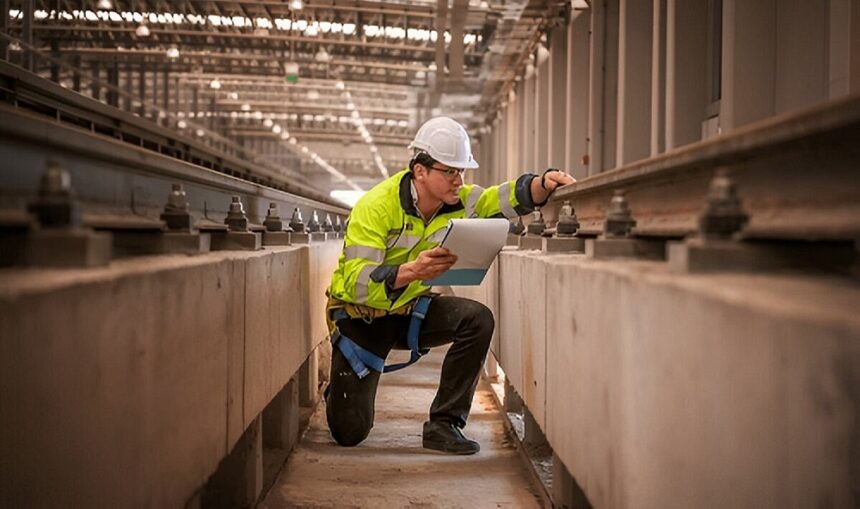
One may, therefore, ask: That chair you’re now sitting on-have you thought about its sturdiness? Or your car, for example, does withstand the extremes of nature and continues to run without complaints. Those are some of the things that generally go unspoken during the whole long innovation and renovation processes. They answer the most crucial questions, namely quality and performance, while at the same time holding perhaps the most critical answer to safety-for many products such as furniture, household appliances, even vehicles, and structures. So, what are these services about? How do they work in creating better and safer environments? Let us dive into the wonderful world of material testing services.
Second, people have this preconceived notion that material testing services do not concern individual consumers. Well, everyone, whether a manufacturer, architect, or end consumer, has a vested interest in them. Such services complete the invisible detail, ensuring that the products last long and function effectively. Curious, eh? Then, let’s read on to know more about various material testing services, how all these works, and how they affect many things in our environment.
The Importance of Material Testing Services in Today’s World
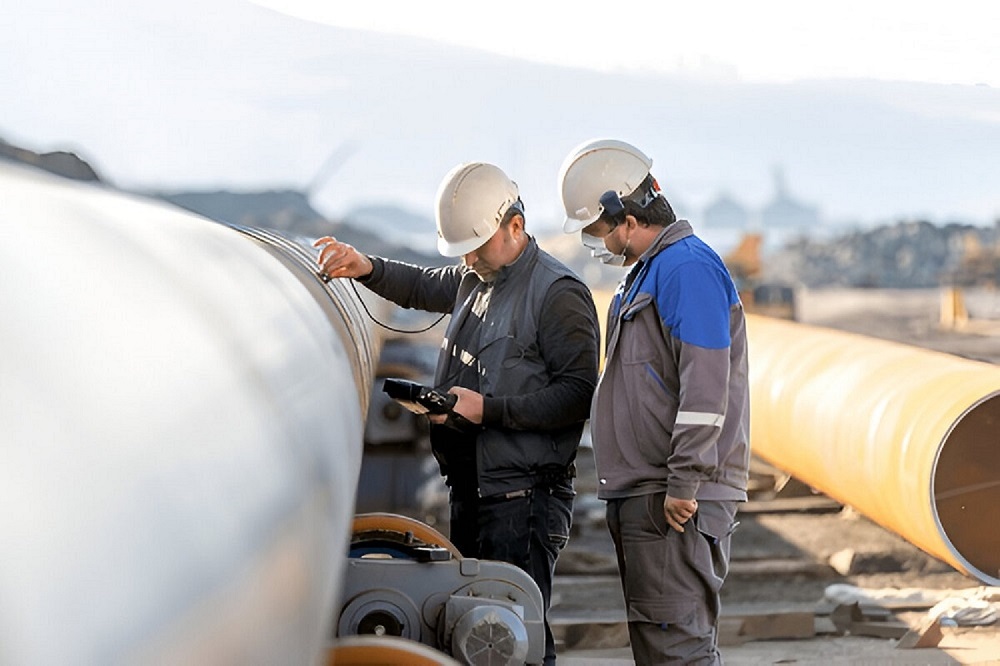
The world today is poised to undergo a swift metamorphosis. New-age technology and modern material sciences keep intruding into and conjuring buildings promising durability, beauty, and efficiency in its new construction. But how exactly are these properties verified? This is what the material testing services will therefore lie in answering.
Technical evaluation of raw materials and products is done to choose conformity to specific standards and criteria for performance, thereby assuring performance during use and practically the lifetime of the product. Durability, strength, and safety-all have been checked during testing services to prevent accidents, failures, and other great disasters from occurring.
These goods, on a day-to-day basis, are promising in their operation thanks to the tests conducted on the materials. Everything we use-from the car we drive and the bridge that we cross, to the mobile devices that we use-it has all passed through rigorous testing standards.
Different Types of Materials Testing Services
Just like materials become different in forms, so does this field of material testing. One of the most popular types is tensile, in which pulling apart is a material’s resistance; hardness testing goes up to its resistance against deformation; and impact testing includes how well something can absorb a sudden shock or load.
Material testing gives so much insight to manufacturers and engineers. They understand perfectly well how materials would react under different conditions and the right applications of such.
Another testing service is fatigue testing, which measures a material’s ability under repetitive stress, while others include flammability testing, which is necessary to meet compliance for safety regulations of products such as textiles and plastics.
When Should You Be Think About Material Testing Services?
Material testing is one of the first requirements in all the different stages of construction, production, and product designing. It would apply to the first phase of concept development when manufacturers choose the materials they will use for a particular product or products.
The tests indeed cross with production and onto the field; they continue into the market, where monitoring of safety and performance continues.
Architects, civil engineers, and even product designers ought to incorporate these material testing services to verify the informed decisions they are making on credible data.
Advantages and Disadvantages of Material Test Services
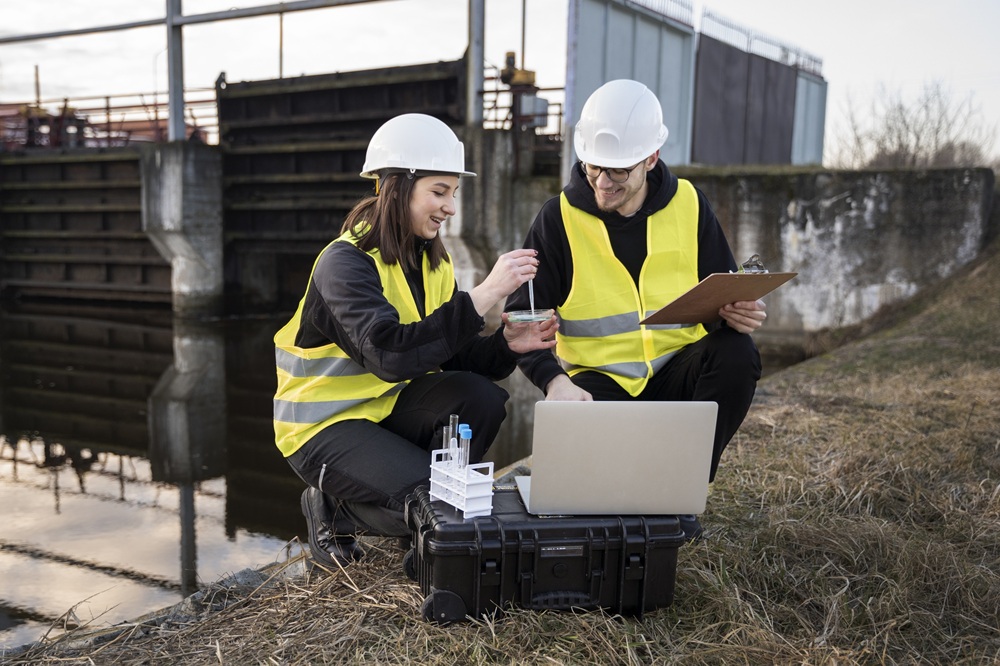
Material testing Services could be accumulated under a list of all the awards if there were such a list. The top award would be for cost saving within the industry over many years and improved safety standards. Such tests prevent the occurrence of catastrophic failures by exposing likely weaknesses that might have occurred before a defect in its market visibility.
And complete dependence upon computerized data may have its downsides. While real-world differences occur between modelled scenarios and conditions, such differences can give rise to major mistakes if not very carefully considered. In addition to this, quality testing demands time and money, usually not available in sufficient amounts in many cases to smaller companies.
Conclusion
This is how we sum up the research done in this study on material testing services as the undeniable role it plays in all our everyday realities. The materials used in every artifact we use or encounter every day-the bridge we cross over each day, the car we drive, and even the very high-tech devices we carry-about are lent assurance by these services.
Challenges could exist with what material testing services would provide; however, the advantages would overshadow the disadvantages. Such services prove to be the essential safety nets in this fast world full of technology. They, rather, are the unsung heroes of the manufacturing world that work behind the scenes in delivering safety, quality, and innovation.
Obtaining all this information on the different types of material testing services and the functions that such types perform opens new avenues of appreciation for those simple conveniences we often take for granted. The next time one stands awestruck by some new gadget whose sleek design impresses or trusts the solid integrity of a skyscraper towering skyward, think of the world of material testing!