
Living in Australia means learning to live with extremes. We are famous for our scorching summers where the pavement sizzles, but anyone living in the southern states knows that winter brings a chill that seeps into your bones. Because our weather can be so unpredictable, maintaining a comfortable home environment year-round is a top priority for families. This makes selecting the correct heating and cooling system one of the most important decisions you will make as a homeowner.
It is not as simple as walking into a store and pointing at a box. The design of your home, your local climate, your budget, and your energy goals all play a massive role in finding the perfect match. A system that works brilliantly in a tropical Queenslander might be completely useless in a brick veneer home in Melbourne.
This guide explores the options available to Australian households, helping you navigate the technical jargon to find a solution that keeps you cool in January and cosy in July.
Understanding Your Home and Local Climate
Before you look at brands or unit sizes, you need to look at your property. Australian homes vary wildly in construction style. Older weatherboard homes have different thermal properties compared to modern builds with high energy ratings.
The first factor is insulation. If your home loses heat through the roof or single-glazed windows, you will need a more powerful heating and cooling system to compensate. Conversely, a well-insulated home retains temperature better, allowing for a smaller, more energy-efficient unit.
Your location is equally important.
- Dry Heat vs. Humidity: If you live in an area with dry heat, like parts of Victoria or South Australia, evaporative cooling is a viable and efficient option. However, if you are in a humid coastal region, evaporative systems struggle to work effectively, and a refrigerated system is the better choice.
- Winter Severity: If you experience frequent frosts and low single-digit temperatures, you need a heating source that won’t freeze up or struggle to output heat when it is freezing outside. Gas heating or premium reverse cycle units are designed for this.
The Major Contenders: Types of Systems
There are four main categories of climate control popular in Australia. Each has specific strengths depending on how you live.
Ducted Reverse Cycle Air Conditioning
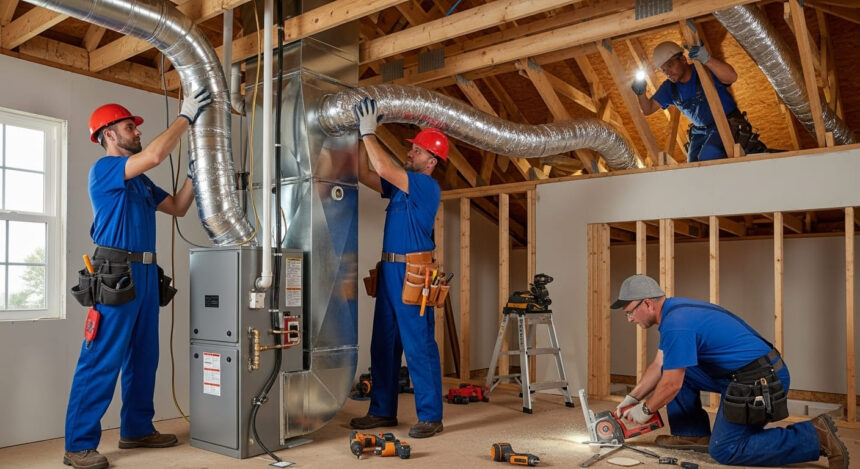
For many modern Australian families, this is the gold standard. A ducted reverse cycle heating and cooling system provides total climate control for the entire house through a network of vents in the ceiling.
The “reverse cycle” part means the unit can both heat and cool. It works by using a refrigerant to transfer heat. In summer, it extracts heat from inside your home and pushes it outside. In winter, it reverses the process, extracting heat from the outside air (even on cold days) and pumping it inside.
- Pros: One system does everything; unobtrusive (only vents are visible); provides refrigerated cooling which is very effective in all weather.
- Cons: Higher upfront installation cost compared to single units.
Split Systems
If you have a smaller home, an apartment, or just need to condition one specific room, a split system is the go-to solution. These consist of an indoor head unit mounted on the wall and an outdoor compressor unit.
Like ducted systems, most split systems in Australia are reverse cycle. They are fantastic for retrofitting into older homes where installing ductwork might be impossible. They are also incredibly efficient because you are only heating or cooling the room you are currently using.
Evaporative Cooling
This is a very popular choice in dry Australian climates due to its low running costs and ability to provide fresh air. The unit sits on the roof, takes in fresh air, passes it through wet filter pads to cool it down, and then pushes it through the home.
Unlike refrigerated air conditioning where you must keep doors and windows closed, evaporative cooling requires you to leave windows open. This pushes the hot, stale air out and replaces it with a cool breeze. It feels natural and fresh, preventing the dry eyes and skin sometimes associated with refrigerated cooling. Note that this is purely for cooling; you will need a separate heater for winter.
Gas Ducted Heating
Gas ducted heating is a traditional favourite, especially in Victoria. It burns natural gas to heat air in a central furnace and then distributes it through ducts (usually in the floor or ceiling).
The heat generated by gas is often described as “warmer” and more instant than electric options. It is moist heat, which feels gentle on the skin. A major advantage of gas heating is that it performs consistently regardless of how cold it gets outside. For a complete solution, many homeowners pair this with “Add-On Cooling,” which uses the same ductwork to provide refrigerated cooling in summer.
The Importance of Zoning
One of the biggest advancements in modern climate control is “zoning.” In the past, if you turned on the ducted air conditioning, you had to heat or cool the entire house. This meant wasting money conditioning empty bedrooms during the day or the living room at night.
Modern heating and cooling system technology allows you to divide your home into distinct zones. You might have the “Living Zone,” the “Master Suite,” and the “Kids’ Bedrooms.” A controller allows you to turn these zones on or off independently.
This is crucial for energy efficiency. By only running the system where you actually are, you can significantly reduce your running costs. Some advanced systems even allow you to set different temperatures for different zones, putting an end to the battle over the thermostat.
Energy Efficiency and Running Costs
Electricity prices in Australia are a constant topic of conversation. When choosing a system, you must look beyond the purchase price and consider the long-term running costs.
Look for the Energy Rating Label. The more stars, the more efficient the unit. Inverter technology is a key feature to look for in electric systems. An inverter allows the motor to ramp up and down smoothly to maintain the temperature, rather than stopping and starting constantly. This uses much less power and reduces wear and tear on the unit.
For those with solar panels (PV systems), electric reverse cycle options are becoming increasingly attractive. You can run your heating and cooling system during the day essentially for free, pre-cooling or pre-heating your home before the sun goes down and grid prices spike.
Installation and Compliance
Installing a climate control system is not a DIY job. In Australia, it involves handling refrigerants, plumbing, and high-voltage electricity.
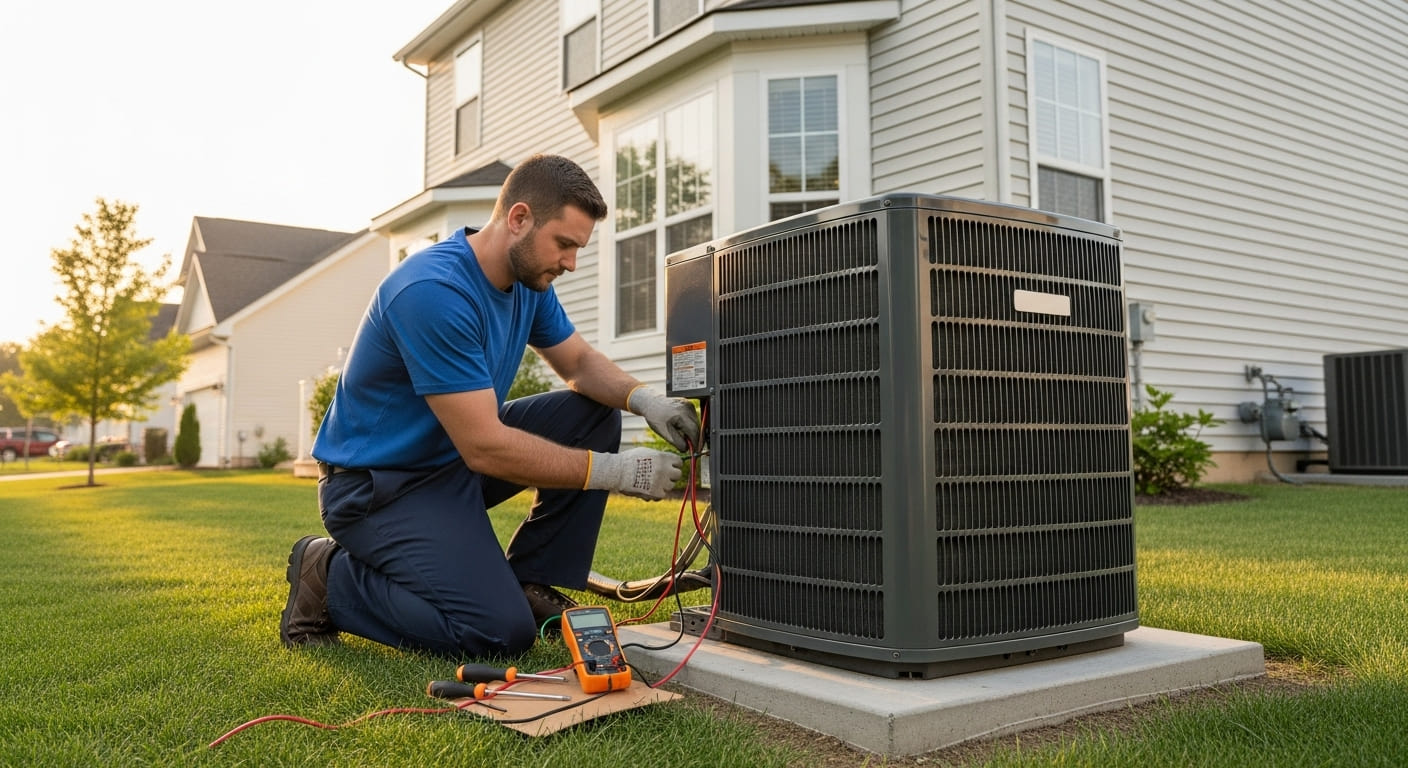
- ARC Licence: Any technician installing a split system or ducted air conditioner must hold a valid license from the Australian Refrigeration Council (ARC). This ensures they handle refrigerant gases safely to protect the environment.
- Plumbing Compliance: If you are installing a gas heater or evaporative cooler (which connects to water), you need a licensed plumber.
Proper sizing is part of the installation process. A professional installer from Absolute Airflow will perform a heat load calculation. They measure your room sizes, window orientation, and insulation levels to determine exactly how much power (kilowatts) you need. If a unit is too small, it will run constantly and never reach the target temperature. If it is too big, it will cycle on and off rapidly, which is inefficient and uncomfortable.
Questions and Answers: Common Questions About Heating and Cooling System in Australia
Q: Is it cheaper to run gas heating or reverse cycle heating?
A: Historically, gas was cheaper. However, with the rising cost of gas and the increased efficiency of modern electric heat pumps, reverse cycle heating is now often the cheaper option to run, especially if you have solar panels. However, gas heating is still preferred by many for the quality and speed of the heat it provides.
Q: How often should I service my system?
A: Manufacturers generally recommend servicing your heating and cooling system once a year. For evaporative coolers, this includes cleaning the pads and checking the water pump. For gas heaters, it is vital to check for carbon monoxide leaks. Regular servicing keeps the unit efficient and ensures your warranty remains valid.
Q: Can I add cooling to my existing gas ducted heater?
A: Yes, this is known as “Add-On Cooling.” If your ductwork is properly insulated and sized correctly, a refrigerated cooling unit can be added to your existing gas heater setup. This allows you to use the same vents and controller for both heating and cooling, giving you the best of both worlds.
Q: Why does my reverse cycle air conditioner stop working on very cold mornings?
A: It hasn’t stopped; it is likely in “defrost mode.” When it is freezing outside, ice can form on the outdoor unit. The system temporarily reverses itself to melt this ice before resuming heating. This is normal operation. High-quality units handle this process quickly and efficiently.
Q: What is the best temperature to set my system to?
A: In summer, setting your cooling to 24°C is the sweet spot for comfort and efficiency. Every degree lower can increase running costs by up to 10%. In winter, a setting of 20°C or 21°C is ideal. Trying to heat a room to 25°C in winter forces the unit to work extremely hard, driving up your bills.
Conclusion: Your Path to a Successful Heating and Cooling System in Australia
Choosing how to condition your home is about balancing comfort, cost, and lifestyle. There is no single “best” system for everyone. A family in a large, open-plan home might thrive with a zoned ducted reverse cycle system, while a couple in a bayside apartment might prefer the simplicity of a split system.
The key is to understand your specific needs and the constraints of your building. By prioritizing energy efficiency and professional sizing, you ensure that your investment pays off in lower bills and reliable comfort for years to come.