
Imagine lounging in your backyard on a sunny Australian afternoon, feeling the breeze without the burn of direct rays. Outdoor shade sails make this possible by creating shaded spots that blend into home improvement projects seamlessly. In a country where the sun shines strong year-round, these sails offer protection and ease, turning outdoor areas into comfortable retreats. This guide covers how outdoor shade sails enhance your space, with practical advice suited to Australian living.
Understanding Outdoor Shade Sails for Home Use
Outdoor shade sails are tensioned fabric covers that stretch over poles or attachments to block sunlight. They come in various shapes and sizes, fitting patios, poolsides, or play areas. For home improvement, they provide a simple way to add cover without major building work.
In Australia, outdoor shade sails suit the love for open-air living. They allow light to filter through while stopping harsh glare, keeping spaces usable during peak heat. Fabrics like knitted polyethylene resist fading and tearing, holding up to local weather patterns.
These sails also handle light rain, adding versatility. Homeowners use them to shield gardens or seating zones, boosting the overall feel of the property. Easy to install and remove, outdoor shade sails support seasonal changes in your yard.
Why They Fit Australian Backyards
Australia’s high UV levels make outdoor shade sails essential for safety. They reduce exposure during barbecues or family time, aligning with health campaigns for sun smart habits. In suburban spots, they create private oases amid busy neighborhoods.
Improving Comfort with Outdoor Shade Sails
Comfort comes from balancing shade and air flow. Outdoor shade sails achieve this by covering areas without enclosing them fully. The fabric lets breezes pass, avoiding the trapped heat of solid roofs.
In hot regions like Queensland, sails lower temperatures under them by blocking direct sun. This makes outdoor dining or relaxing more pleasant, extending time spent outside. For home improvement, they transform unused corners into cozy nooks.
Ventilation prevents stuffiness. Unlike awnings that can feel heavy, outdoor shade sails keep things light and open. In cooler months, they offer partial cover for mild days, fitting the variable climate across states.
Homeowners notice better sleep in shaded bedrooms nearby, as sails cut indoor heat buildup. They also protect plants from scorch, supporting garden efforts in dry areas.
- Temperature Control: Shade drops heat, easing hot spells.
- Air Movement: Open design promotes natural cooling.
- Versatile Use: Covers play zones or lounges for all ages.
- Aesthetic Appeal: Colors and shapes match home styles.
These features make outdoor shade sails a go-to for comfortable home upgrades.
Reducing Harsh Sun Exposure Effectively
Australia leads in skin cancer awareness, and outdoor shade sails play a key role in protection. They block up to most UV rays, creating safe zones for daily activities.
The sun’s intensity varies by region—coastal areas get reflective glare from water, while inland spots face dry heat. Outdoor shade sails address both, with dense weaves that filter light evenly. This reduces squinting and eye strain during outdoor tasks.
For families, sails over sandpits or pools prevent burns on young skin. In public parks or home yards, they encourage longer play without risks. Health experts recommend such covers for events, and outdoor shade sails deliver reliable results.
Maintenance keeps the UV block strong. A quick hose-down removes dust, preserving the fabric’s effectiveness. In ozone-affected areas, sails with stabilizers last longer under constant exposure.
Health and Lifestyle Benefits
Beyond skin safety, outdoor shade sails ease heat-related discomfort. They support active lifestyles by shading paths or driveways, making walks enjoyable. In cultural terms, they enhance Aussie traditions like backyard cricket or sunset drinks, all under safe cover.
Installation Tips for Outdoor Shade Sails in Australia
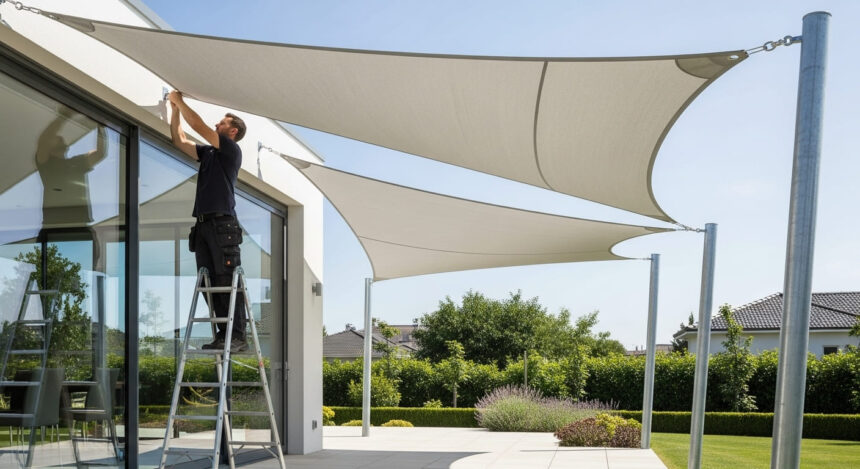
Setting up outdoor shade sails starts with site choice. Pick spots with good anchor points, like fences or posts, to ensure stability. For home improvement, measure your area to match sail size, aiming for overlap on edges.
Materials include stainless steel fixings to fight rust in humid or salty air. In coastal New South Wales, these prevent corrosion from sea spray. Poles should be sturdy, embedded in ground for wind resistance.
Local regulations guide the process. Many councils require approvals for sails over certain spans, especially in heritage zones like parts of Melbourne. Check building codes under Australian Standards for wind loads—simple sketches often suffice for backyard setups.
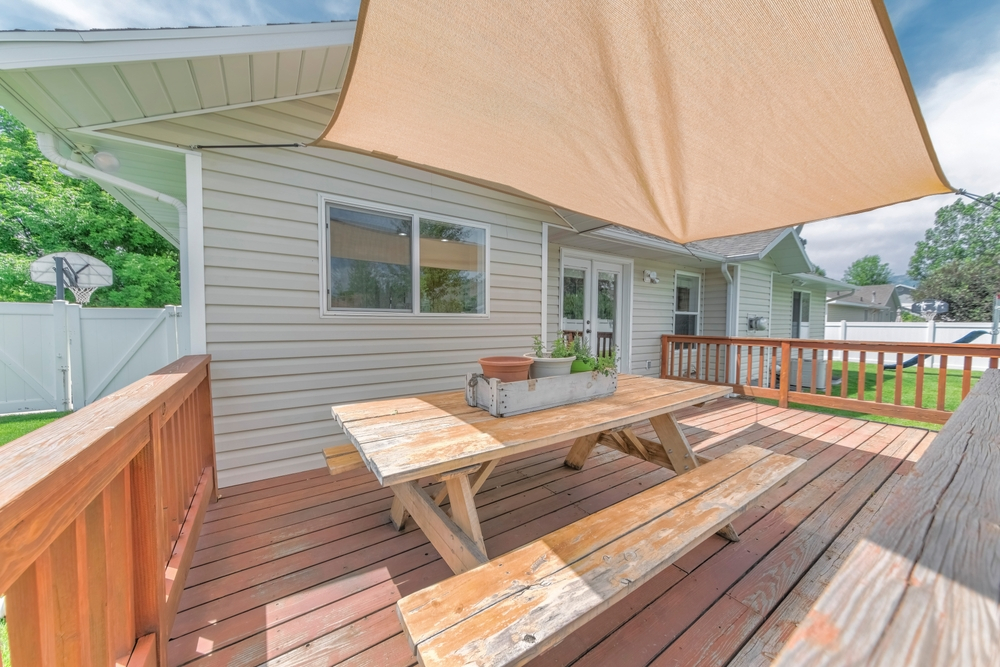
Examples from around the country show variety. A Perth family installed sails over their deck to shade during summer peaks, enjoying cooler evenings. In Darwin, sails protected a vegetable patch from intense rays, tying into self-grown food trends.
Providers supply options from basic to custom, while others focus on eco-fabrics. Cultural nuances include using sails for Indigenous-inspired outdoor gatherings, respecting land connections.
Weather timing matters—install in calmer seasons to avoid gusts. After setup, tension the sail slightly curved to shed water and wind.
- Site Prep: Clear obstacles and level ground.
- Attachment Methods: Use clips for easy adjustments.
- Regional Adjustments: Deeper anchors in sandy soils.
- Post-Install Care: Tighten seasonally for shape.
These steps make outdoor shade sails a smooth home addition.
Questions and Answers: Common Questions About Outdoor Shade Sails in Australia
Q: Do outdoor shade sails need planning permission in urban areas like Sydney?
Ans: Often yes, if they alter views or exceed height limits. Contact your local council with a site plan—they assess based on neighborhood rules to ensure safe integration.
Q: How do outdoor shade sails handle UV in high-exposure spots like the outback?
Ans: They block most rays with treated fabrics, staying effective in dry heat. Regular cleaning maintains the weave, providing consistent protection for remote home setups.
Q: Are outdoor shade sails removable for winter in southern states like Tasmania?
Ans: Yes, clips and turnbuckles allow easy takedown. Store them dry to prevent mold, making them practical for cooler, wetter seasons down south.
Q: What fabrics suit outdoor shade sails in humid Queensland climates?
Ans: Breathable, mildew-resistant types work best. These handle moisture without sagging, keeping your shaded area fresh in tropical conditions.
Q: Can outdoor shade sails enhance energy efficiency in Brisbane homes?
Ans: They can, by shading walls and reducing indoor heat. This lowers reliance on fans or coolers, supporting sustainable home improvement in subtropical areas.
Conclusion: Your Path to a Successful Outdoor Shade Sails in Australia
Outdoor shade sails boost comfort and cut sun exposure, making them a valuable home improvement tool. They create cooler, safer outdoor spaces with good airflow, while protecting against UV in Australia’s bright environment. From installation basics to local adaptations, these sails fit diverse regions and lifestyles.