

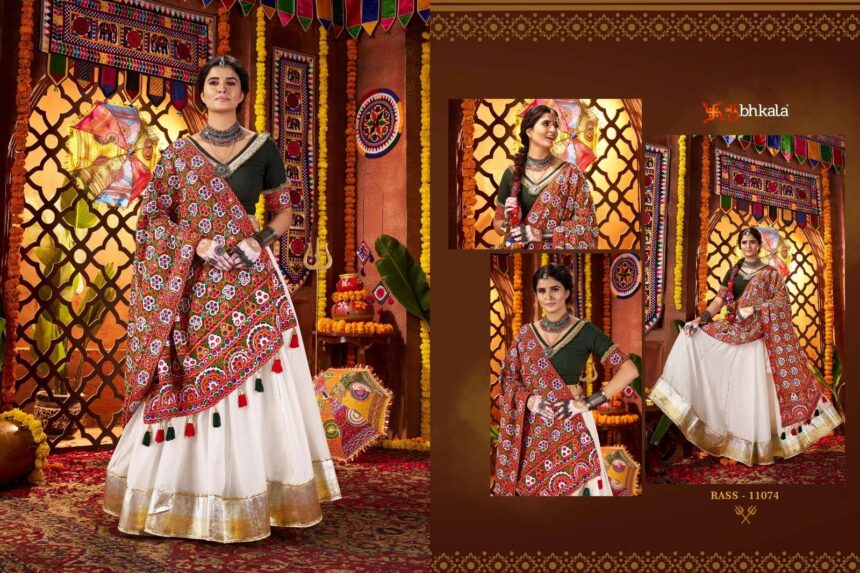
The demand for readymade lehengas in the wholesale market has grown massively in recent years. Whether it’s wedding season, festive events, or parties, retailers and boutique owners consistently look for high-quality, stylish, and budget-friendly lehengas that appeal to customers across age groups. But with so many suppliers, fabric variations, and embroidery techniques, making the right purchase decision can be overwhelming.
If you’re buying readymade wholesale lehengas – either for your boutique, online store, or reselling business—understanding fabrics, embroidery, craftsmanship, and current trends is essential. The right fabric ensures comfort and durability, while the right embroidery enhances elegance and perceived value. Both factors directly impact how quickly your pieces sell and how satisfied your customers feel.
This guide will help you make smarter buying decisions so you can choose lehengas that look premium, fit well, and offer excellent resale potential.
Why Fabric & Embroidery Matter in Wholesale Lehengas

When buying in bulk, many retailers focus only on price-but fabric quality and embroidery determine:
- Comfort: Customers want breathable, lightweight options for long events.
- Durability: Good-quality fabric and finishing reduce returns and complaints.
- Look & feel: Premium textiles improve overall appearance and justify a higher selling price.
- Trends & demand: Certain fabrics and embroidery styles trend during specific seasons.
- Resale margin: High-quality materials allow better profit margins.
Choosing the right combination ensures your collection stands out and drives repeat sales.
1. Understanding the Most Popular Fabrics for Readymade Lehengas
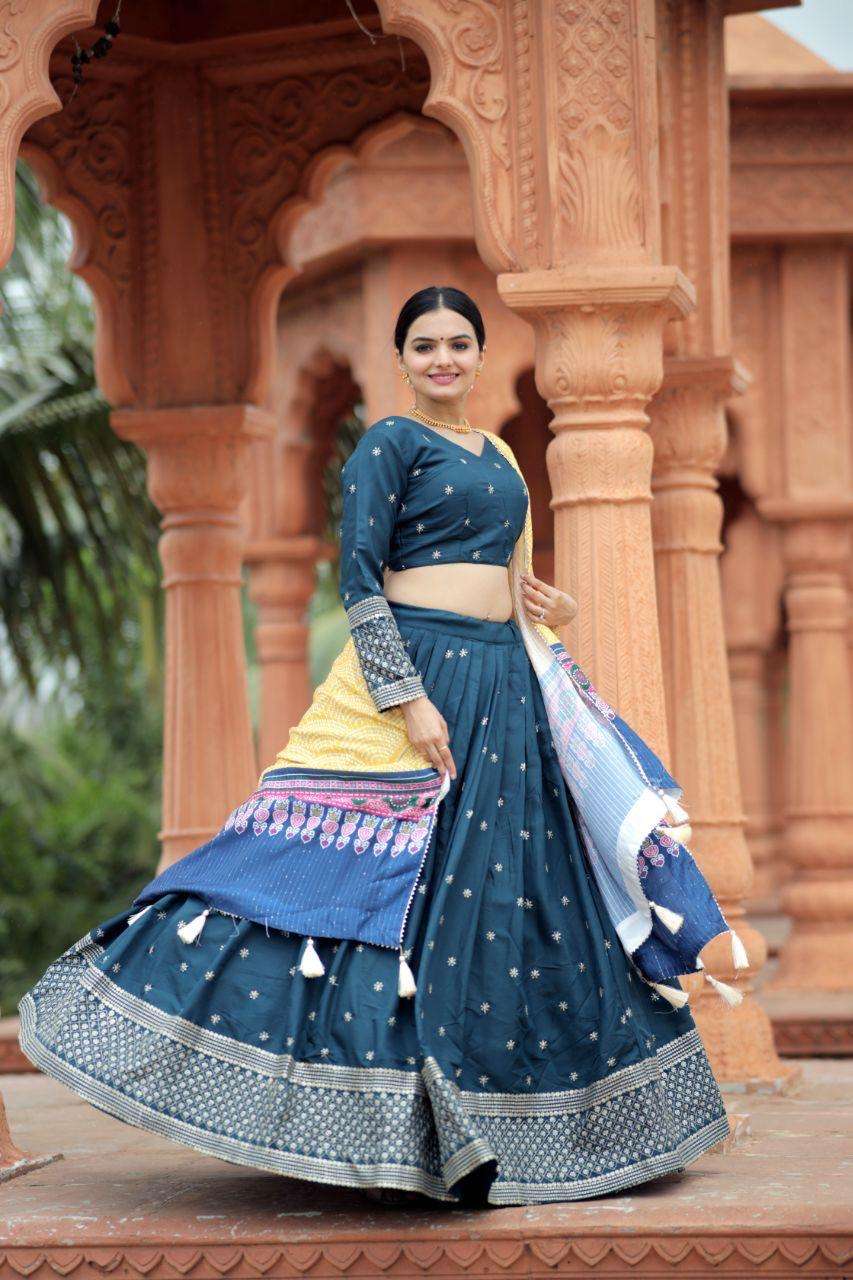
a) Silk & Banarasi Silk
Silk is one of the most highly demanded fabrics because of its rich texture and royal appeal.
Pros:
- Ideal for bridal and festive lehengas
- Looks naturally luxurious
- High resale value
- Slightly heavier
- Requires better maintenance
Opt for Banarasi silk lehengas if you want to stock trending traditional options with zari woven motifs.
b) Velvet

Velvet lehengas are best for winter weddings or premium bridal collections.
Pros:
- Heavy, rich fee
- Works beautifully with golden, zari or stone embroidery
Cons:
- Not suitable for hot climates
- Can be expensive in wholesale
Retailers often see higher margins in velvet lehengas due to their luxurious appeal.
c) Georgette
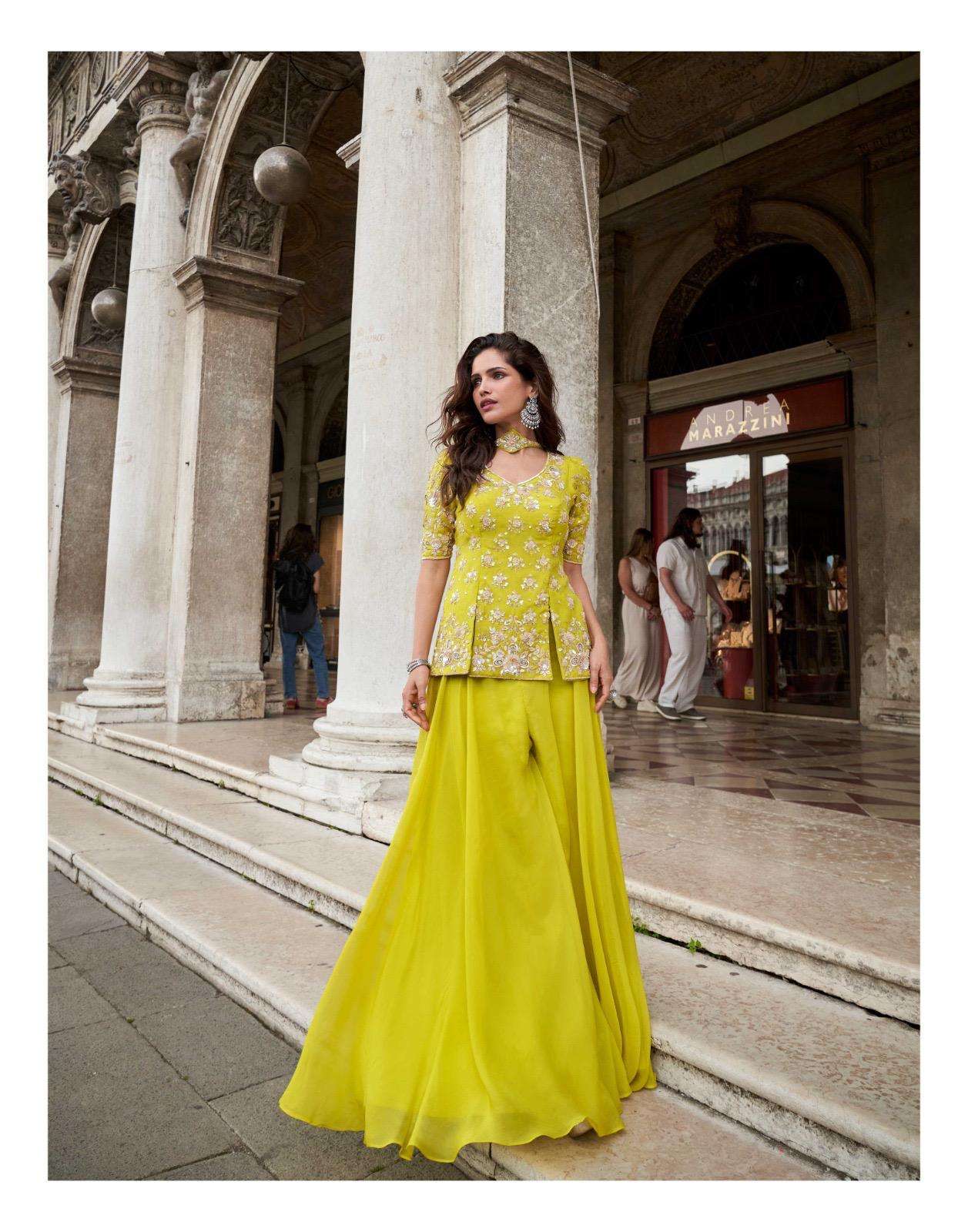
One of the most preferred fabrics for partywear, cocktail events, and Indo-western lehengas.
Pros:
- Lightweight
- Flowy drape
- Comfortable for long wear
Cons:
- Looks less grand for bridal wear
Georgette is great when you want to stock affordable yet stylish options.
d) Net
Net lehengas remain popular in the youth segment.
Pros:
- Creates a voluminous look
- Perfect for trendy and modern designs
Cons:
- Needs soft inner lining (can irritate skin otherwise)
- Delicate fabric
If you’re buying in wholesale, always check the softness and GSM of the net.
e) Organza
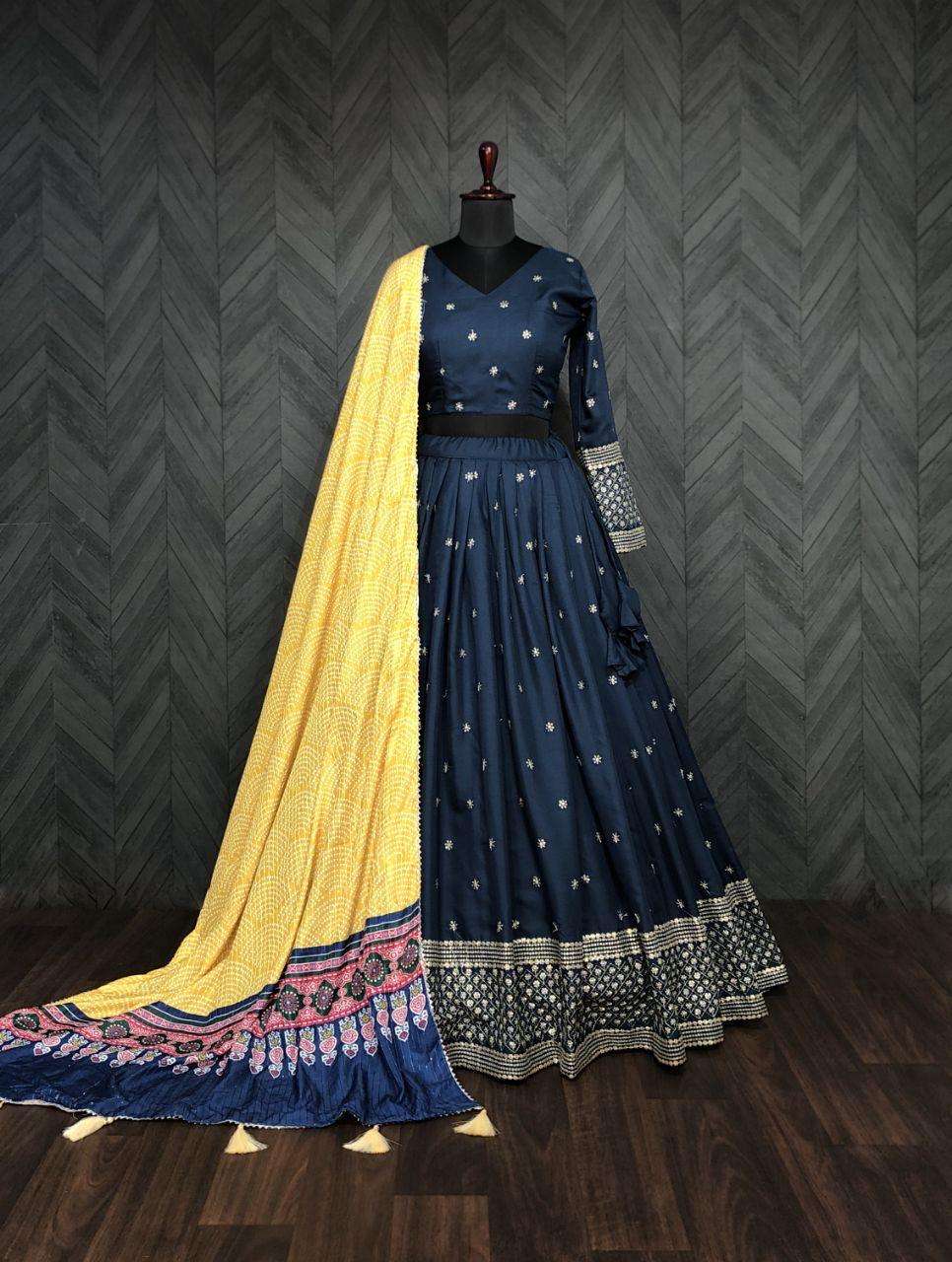
Organza lehengas are trending massively for daytime weddings, haldi, mehendi, and pre-wedding events.
Pros:
- Lightweight
- Gives a dreamy, floral look
- Trending among bridesmaids
Cons:
- Slight stiffness
- Needs careful stitching for flare
Organza prints and minimal embroidery are selling extremely well in 2024–2025.
f) Satin & Silk-Blend
Satin lehengas work well for evening events and destination weddings.
Pros:
- Smooth, shiny finish
- Comfortable and modern-looking
Cons:
- Less structured flare
These are great for buyers looking for elegant yet simple designs.
g) Cotton & Cotton-Silk
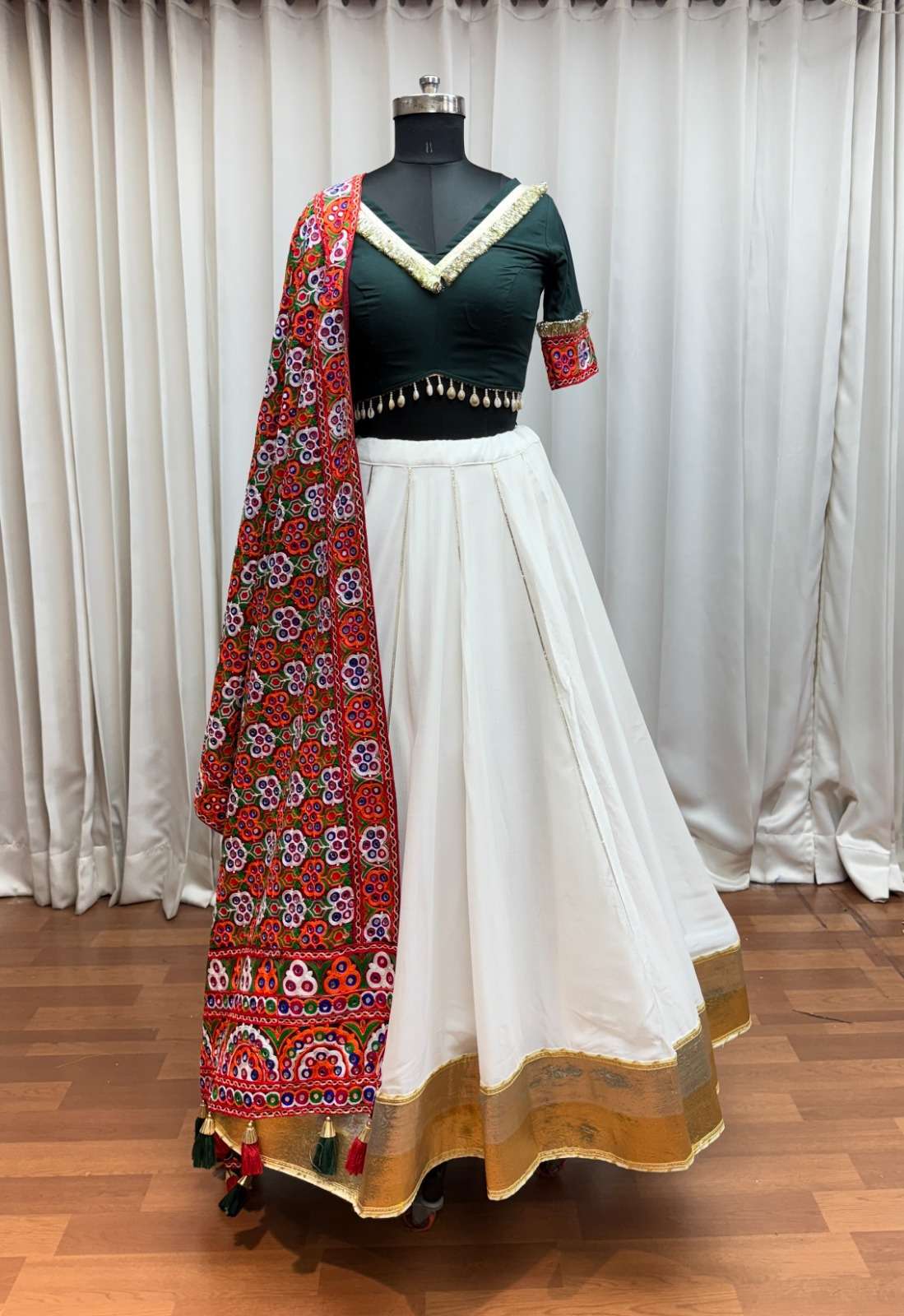
Best for summer festive events and traditional regional wear.
Pros:
- Breathable
- Budget-friendly
- Perfect for everyday festivals
Cons:
- Not suitable for bridal wear
Cotton lehengas are increasingly in demand for sustainable clothing lovers.
2. Types of Embroidery You Should Look for in Wholesale Lehengas
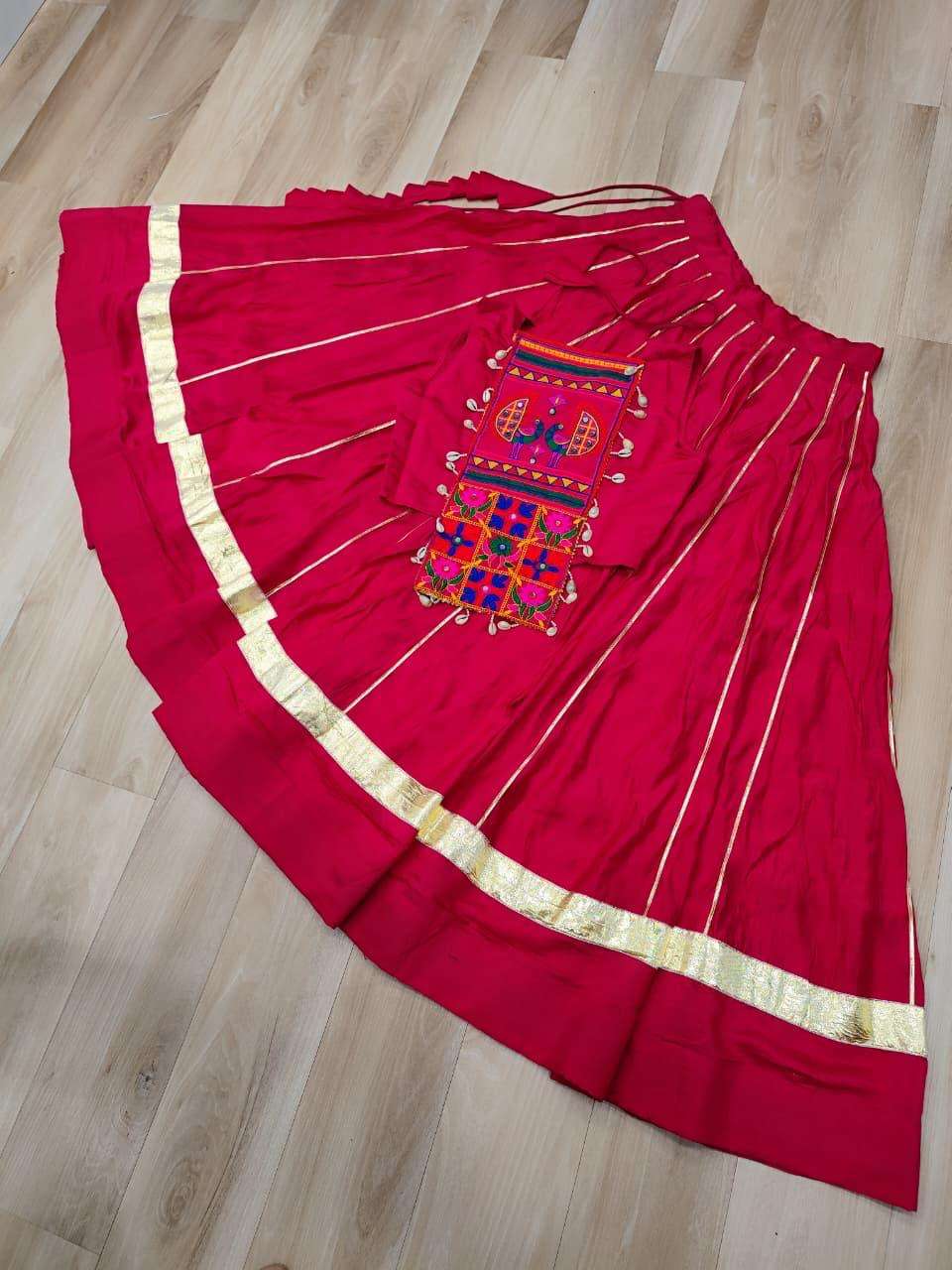
Embroidery enhances the beauty, value, and uniqueness of lehengas. Here are the most popular and profitable types to look for:
a) Zari & Zardozi Work
One of the oldest and most royal-looking embroidery techniques.
Best for: Bridal, traditional, festive wear
Benefits:
- Gives a premium and rich look
- Works well on silk, velvet, georgette
If you want to sell high-end lehengas, zari work is a must-have.
b) Thread Embroidery
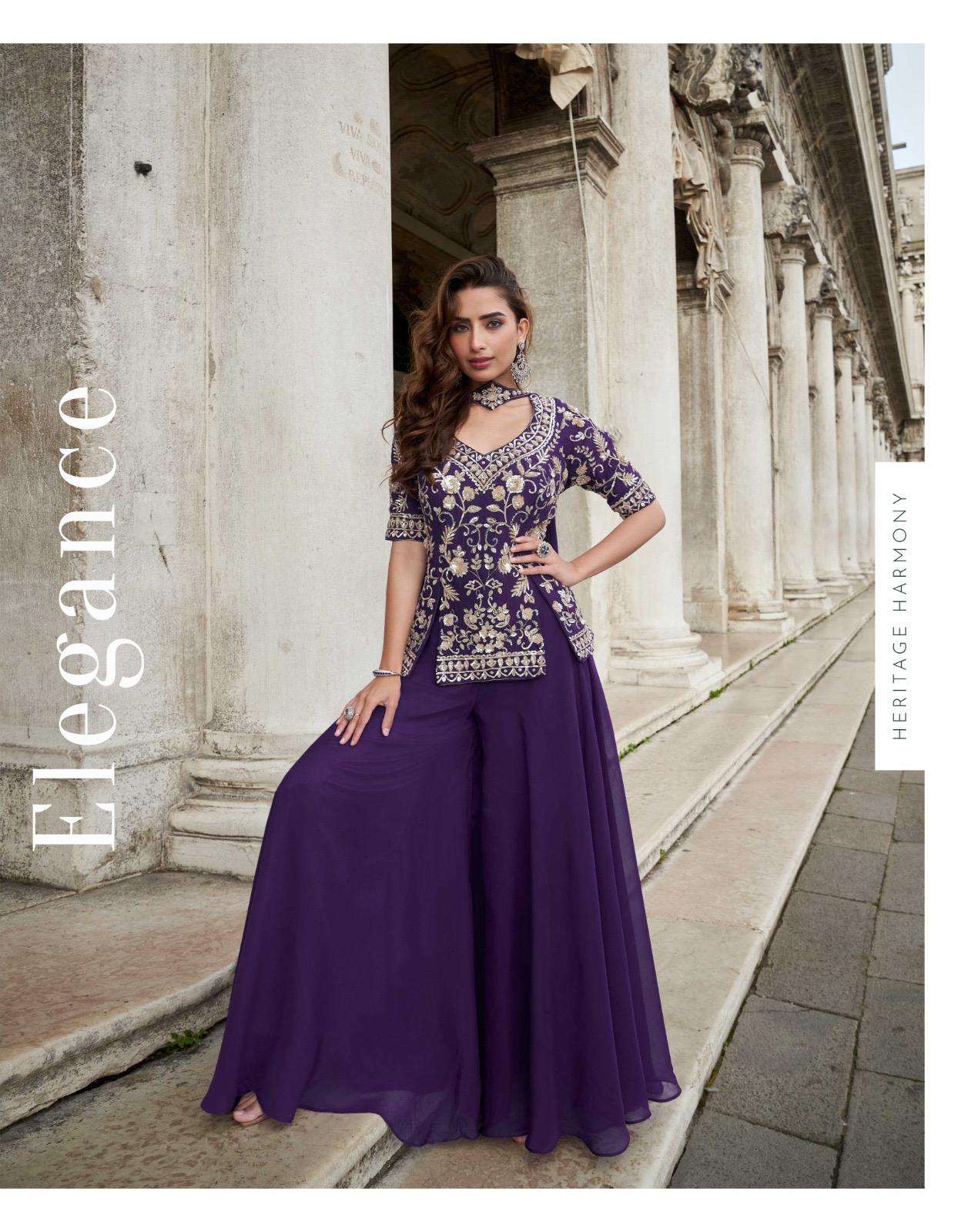
Affordable and versatile; available in detailed and colorful patterns.
Best for: Daily festive wear, organza and georgette lehengas
Benefits:
- Lightweight
- Trendy
- Budget-friendly
Choose multi-color thread work for modern festive collections.
c) Mirror Work
A trending choice among young customers.
Best for: Navratri, Haldi, Sangeet
Benefits:
- Eye-catching
- Youthful look
- Works great with simple fabrics
Mirror-work lehengas sell extremely well during festival seasons.
d) Sequins Work
Super popular for sangeet, cocktail parties, and glamorous events.
Best for: Partywear wholesale
Benefits:
- Sparkly and fashionable
- Great demand among modern buyers
Make sure the sequin quality is good—cheap sequins fall off easily.
e) Gota Patti Work
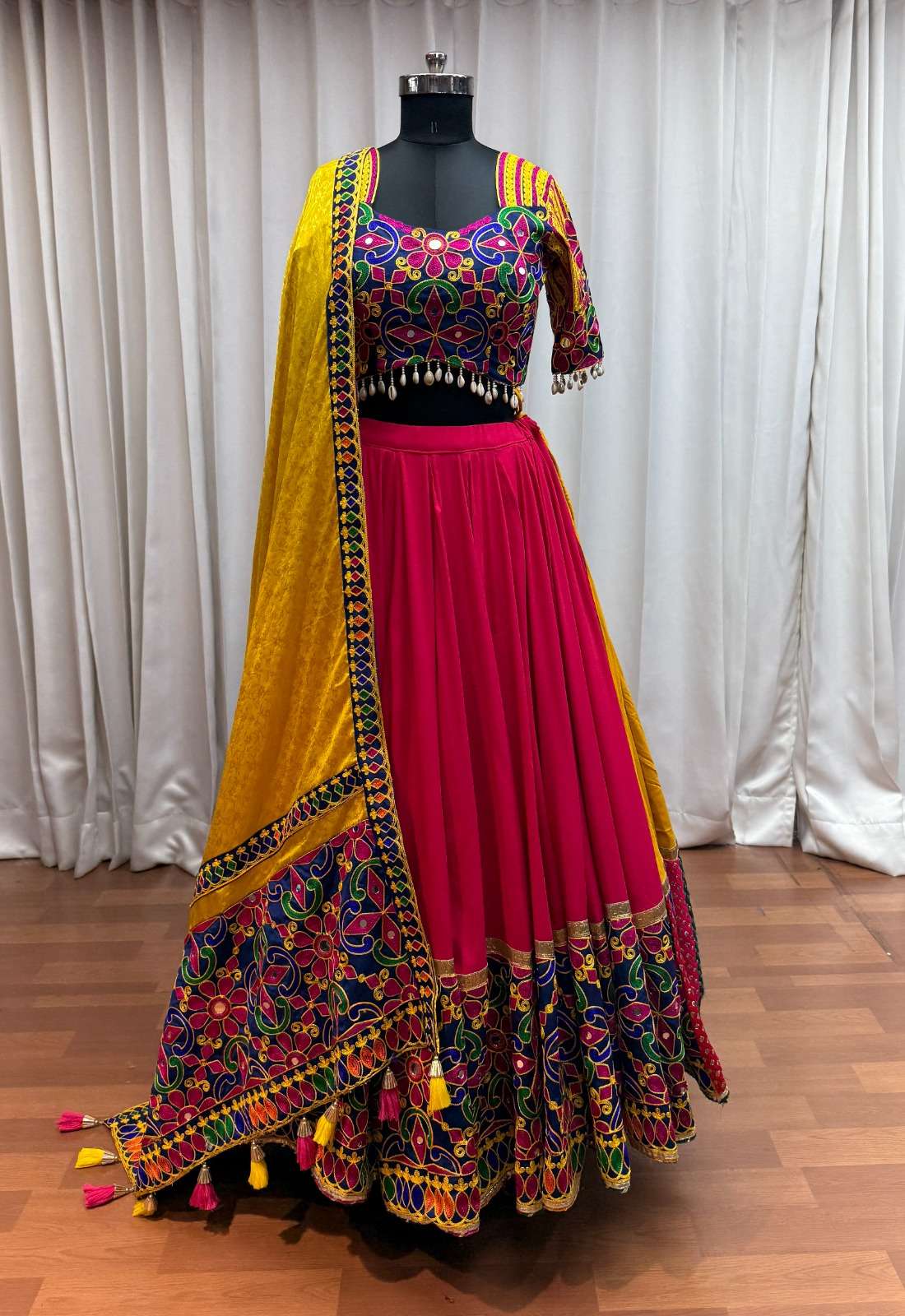
Traditional, lightweight, and evergreen.
Best for: Day events like Haldi or Mehendi
Benefits:
- Rich Rajasthani look
- Works well on pastel-colored lehengas
Pastel organza lehengas with gota work are currently trending.
f) Digital Prints + Minimal Embroidery
A major trend in 2024–2025.
Best for: Budget-friendly and lightweight collections
Benefits:
- Cost-effective
- Attractive prints
- Quick to sell
Retailers love stocking these as they offer good margins.
3. How to Check Fabric Quality When Buying in Bulk
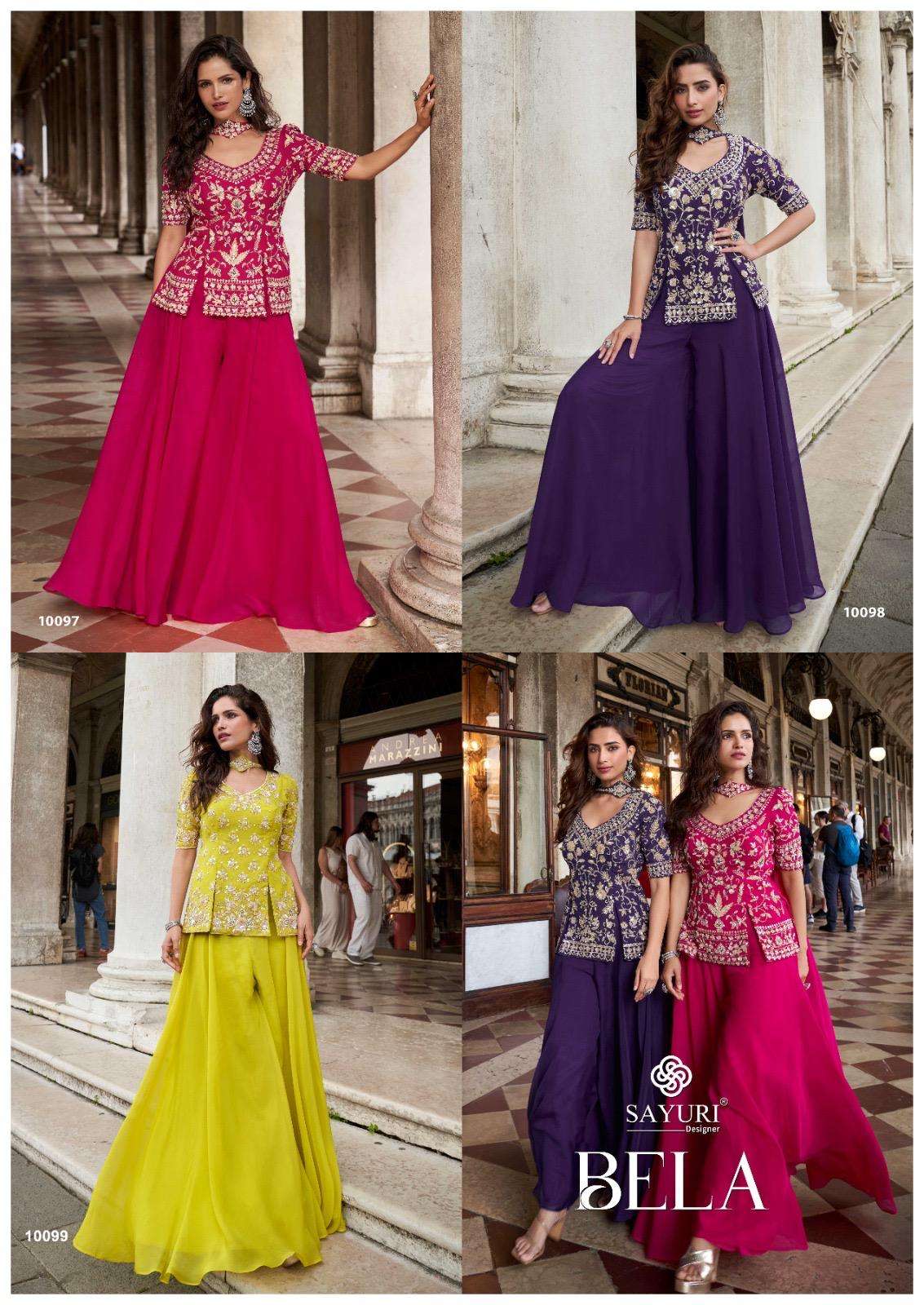
Many wholesalers cut corners with fabric quality. Before purchasing:
✔ Check the GSM — Higher GSM means thicker and more durable fabric
✔ Feel the texture — Avoid rough or itchy materials
✔ Ensure the colorfastness — Rub a wet cloth to check color bleeding
✔ Inspect the flare & fall — Good fabrics have a natural drape
✔ Look for proper lining — Especially in net, organza, & georgette lehengas
✔ Check stitching strength — Poor stitching leads to returns
Buying one sample piece before confirming bulk quantity is always a wise move.
4. How to Evaluate Embroidery Quality
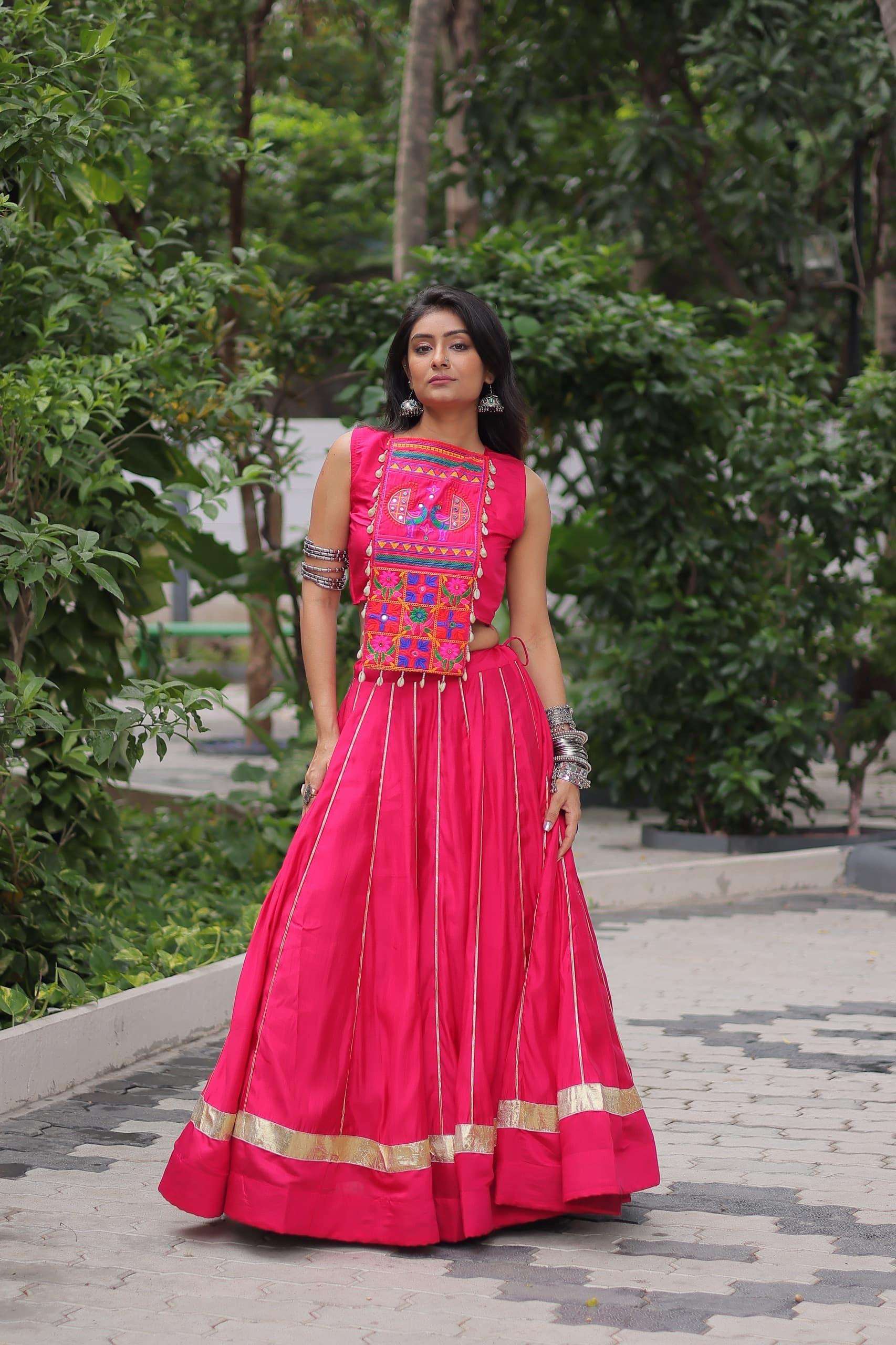
Here’s what to check:
✔ Threads should be tight, not loose
✔ No glue stains around stones or sequins
✔ Embroidery layout should be symmetrical
✔ Check backside finishing — A messy back indicates poor craftsmanship
✔ Ensure embellishments don’t fall off with light tugging
Good embroidery significantly increases the selling price and customer satisfaction.
5. Choosing Fabrics Based on Customer Needs & Season
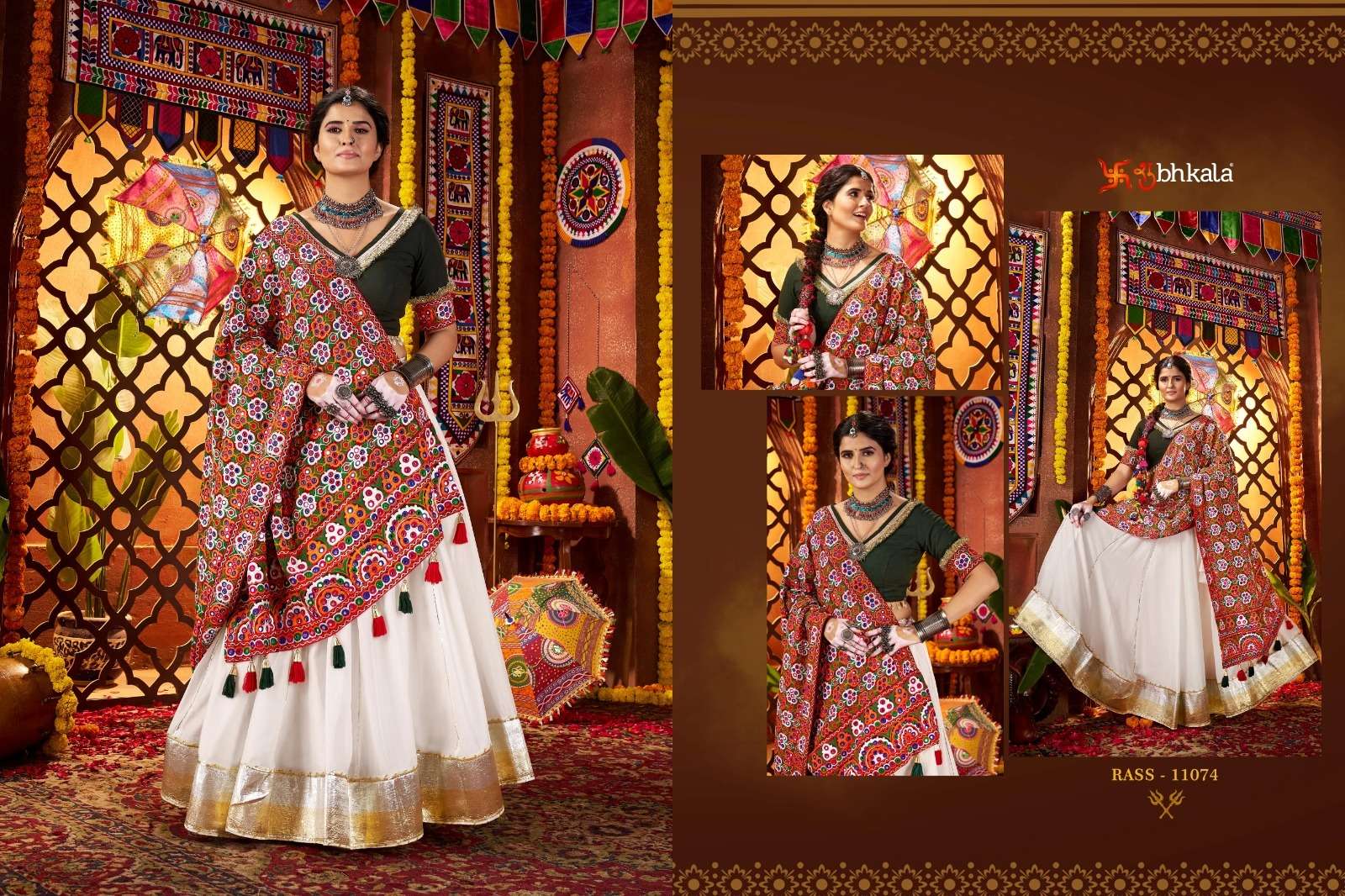
Your target customers decide your stock choices:
For Bridal & Heavy Wedding Wear:
- Velvet
- Banarasi Silk
- Zari, Zardozi, Stone Work
For Festive Wear (Diwali, Navratri, Eid):
- Georgette
- Organza
- Mirror & Thread Work
For Daily Wear & Budget Segments:
- Cotton
- Printed Satin
- Light Embroidery
For Destination & Day Weddings:
- Organza
- Minimal sequin work
- Soft pastels
Understanding your audience helps you avoid dead stock.
6. Common Mistakes to Avoid When Buying Wholesale Lehengas
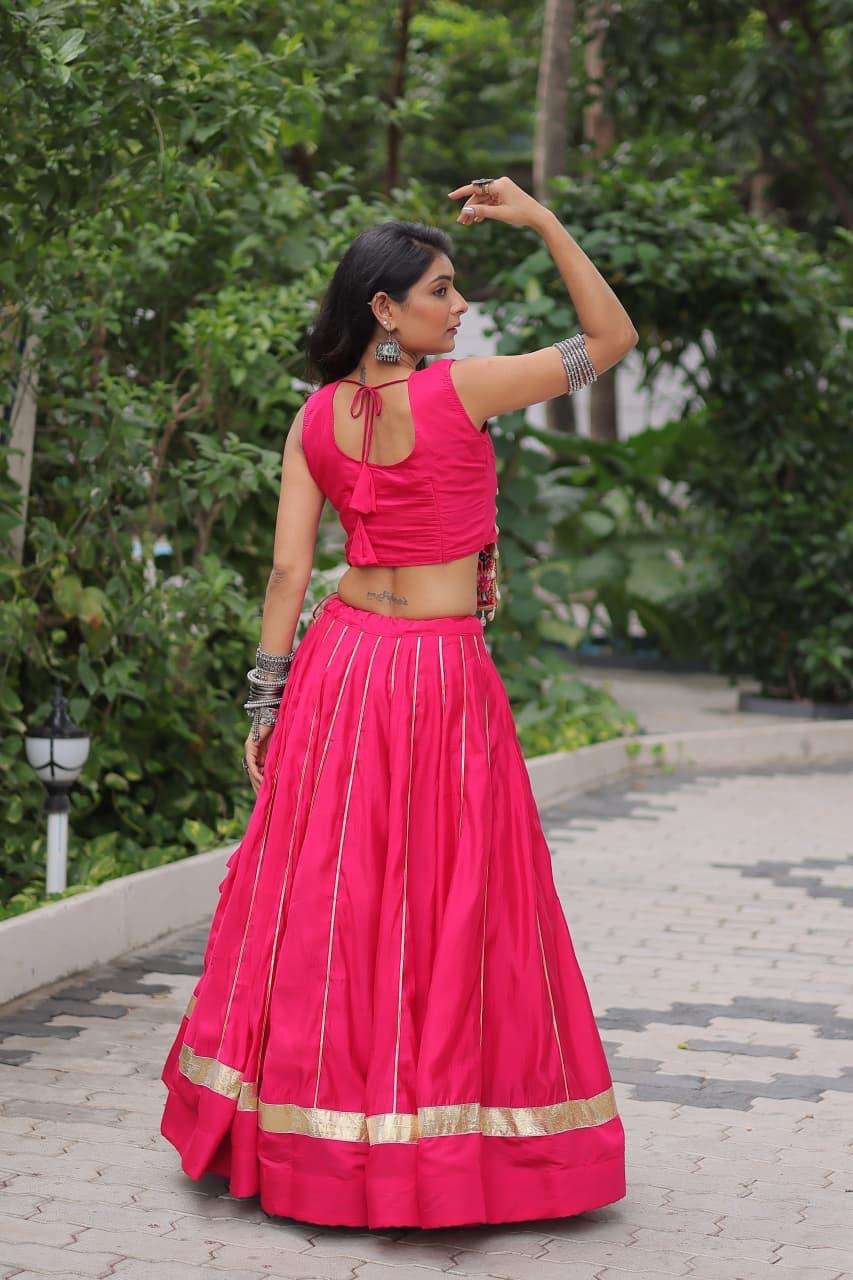
❌ Choosing only based on lowest price
❌ Not checking inner lining quality
❌ Buying heavy fabrics during summer
❌ Ignoring trending colors like lavender, pista green, and soft peach
❌ Ordering bulk without checking the sample piece
❌ Not verifying supplier credibility
Avoiding these ensures better sales and fewer returns.
Choosing the right fabrics and embroidery while buying readymade wholesale lehengas is not just about selecting beautiful designs – it’s about ensuring comfort, durability, customer appeal, and profitability. Fabrics like silk, georgette, velvet, organza, and satin all serve different needs, while embroidery styles like zari, thread work, sequins, and mirror work define the lehenga’s final look.
As a retailer or boutique owner, investing time in understanding these elements helps you curate a collection that is trendy, high-quality, and in demand. Ultimately, the better your material knowledge, the stronger your brand reputation and customer trust become.