

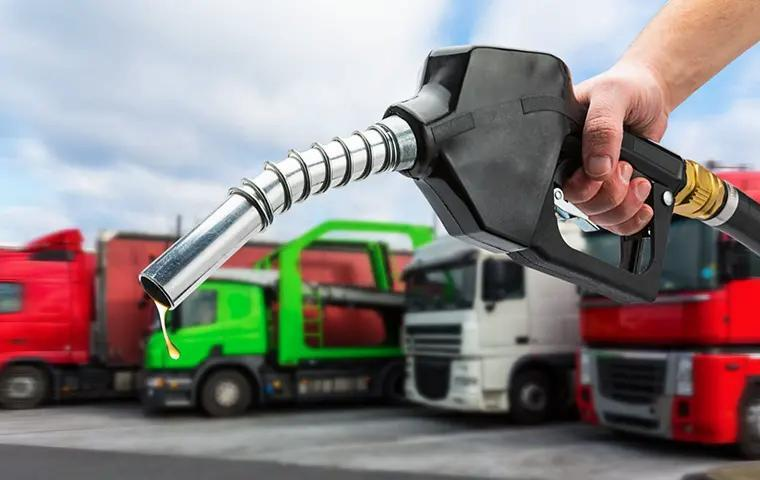
Managing fuel expenses across vehicles, drivers, and locations can quickly become complex without the right tools. Advanced digital platforms now simplify this process by offering powerful tracking, reporting, and control features. Understanding the capabilities behind modern fuel card technology helps businesses reduce costs, improve visibility, and maintain stronger operational control.
Modern businesses with vehicle fleets face constant pressure to control fuel costs while maintaining operational efficiency. This challenge has led many organisations to adopt fuel card management services that provide detailed oversight of fuel usage, transactions, and spending patterns. Instead of relying on manual receipts or fragmented reports, digital platforms centralise data and give fleet managers a clear view of fuel-related activity.
Advanced systems combine payment processing with powerful analytics to track every fuel card transaction and organise data into clear reports. This helps companies monitor driver behaviour, detect unusual spending, and maintain better control of fuel budgets. As fleets expand, a centralised management platform becomes increasingly valuable.
Digital fuel management also improves transparency. Fleet administrators can quickly review accurate records and analyse fuel usage across vehicles or departments. These insights support better decisions, encourage responsible fuel consumption, and contribute to stronger cost control and more efficient fleet operations.
Real-Time Monitoring and Transaction Visibility
One of the most valuable features of modern fuel card platforms is real-time monitoring. Businesses can instantly view fuel purchases as they occur, rather than waiting for monthly statements. This immediate visibility allows fleet managers to stay informed about spending and respond quickly if irregular activity appears.
Real-time transaction tracking also strengthens accountability within a fleet operation. Every fuel purchase is recorded with precise details such as location, transaction value, and time of purchase. With this information readily available, managers can easily verify that fuel cards are being used according to company guidelines.
Advanced systems also allow administrators to apply controls that regulate how cards are used. Spending limits, fuel type restrictions, and transaction alerts help maintain strict financial oversight. These safeguards reduce the risk of misuse while ensuring drivers still have convenient access to fuel when they need it.
The integration of reporting dashboards further enhances this monitoring capability. Interactive visual summaries display key metrics, enabling organisations to analyse fuel consumption trends across their fleet. Such data-driven insights make it easier to identify inefficiencies and implement strategies that reduce unnecessary fuel expenditure.
Intelligent Reporting and Data Insights
Data analysis plays a key role in advanced fuel card management platforms. These systems turn transaction data into clear reports that show spending patterns, fuel usage trends, and cost distribution across the fleet.
Custom reporting tools allow businesses to filter data by vehicle, department, region, or time period, helping managers quickly find the information they need.
Analytics tools also reveal hidden patterns in fuel consumption, allowing organisations to spot irregular usage and improve fleet strategies. Automated reports provide regular updates, supporting financial planning and ensuring continuous visibility over fuel expenses.
Security Controls and Fraud Prevention
Security is a major priority in fuel expense management. Advanced fuel card platforms include multiple protection layers that help safeguard company funds and reduce the risk of fraud.
Administrators can set card-level controls such as transaction limits, approved fuel types, and geographic usage boundaries. These controls ensure cards are used only for authorised purposes.
PIN authentication and driver identification add another level of verification, linking each transaction to a specific driver or vehicle. Many platforms also provide automated alerts that flag unusual activity. These real-time notifications help organisations respond quickly and prevent unauthorised spending while maintaining secure fleet operations.
Integration with Fleet Management Systems
A major benefit of advanced fuel management technology is its ability to integrate with wider fleet management software. This integration ensures fuel data becomes part of a connected operational system rather than remaining isolated.
When fuel card platforms link with telematics or vehicle management tools, organisations gain deeper insights into fleet performance. Fuel usage can be analysed alongside mileage, maintenance records, and driver behaviour.
Integration also reduces manual data entry by automatically syncing transaction records with accounting or fleet systems. This saves time, lowers the risk of errors, and helps managers make more informed decisions to improve fleet efficiency.
Conclusion
Advanced digital tools have transformed how organisations manage fuel expenses and fleet operations. Modern fuel card management services offer more than basic payment features, providing real-time monitoring, detailed reporting, strong security controls, and integration with fleet management systems.
These capabilities help businesses track fuel spending, improve transparency, and maintain tighter financial control. By analysing transaction data and usage trends, organisations can refine fuel strategies and support long-term fleet efficiency and responsible cost management.