

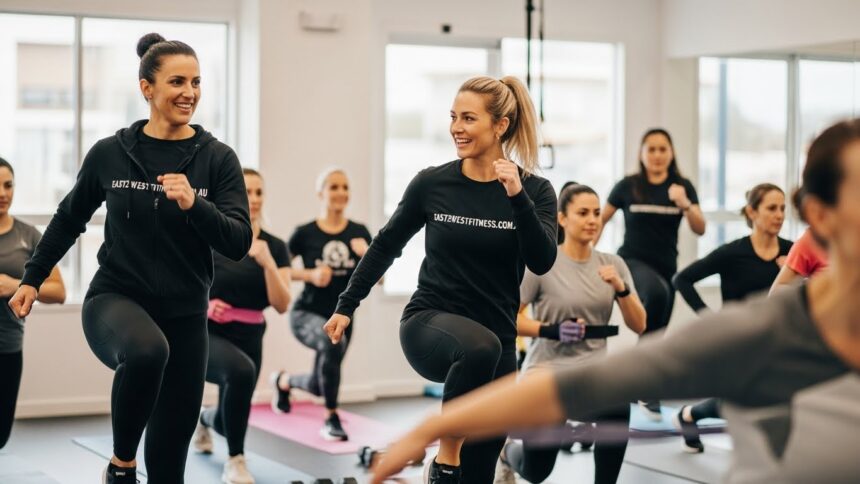
There is a unique energy in a group fitness room that you simply cannot replicate on your own. You walk in, perhaps a little tired from a long day at work, and within minutes, the music hits, the instructor shouts a cue, and you are swept up in a collective wave of effort. Before you know it, forty-five minutes have passed, you are drenched in sweat, and you are already planning when you can come back.
This phenomenon is happening in studios across Australia. While solo gym sessions often feel like a chore, fitness classes have cultivated a loyal following that borders on obsession. People arrange their work schedules around them. They form friendships in them. They track their progress religiously.
But what is the secret sauce? Why do people keep coming back to lift weights, box, or do burpees in a room full of strangers? It is not just about the exercise; it is about the experience. It is a carefully engineered blend of community, psychology, and physical challenge that turns a workout into a highlight of the day.
The Power of the Tribe
Humans are social creatures. We evolved to move in groups. There is a primal instinct that kicks in when you see others around you working hard. It is called the “Köhler effect,” where no one wants to be the weakest link in the chain.
In a class setting, this manifests as a silent, positive peer pressure. When you are on the treadmill alone, it is easy to slow down when it hurts. When the person next to you is pushing through the same interval, you find a reserve of energy you didn’t know you had. You push harder because they are pushing harder.
This shared suffering creates a bond. You high-five after a tough set. You share a knowing look when the instructor adds another round of push-ups. Fitness classes transform exercise from a solitary pursuit into a team sport. For many, this social connection is the primary driver for attendance. It is harder to skip a workout when you know your “gym friends” will ask where you were.
The Instructor: More Than Just a Coach
A great instructor is a performer, a DJ, a coach, and a motivator rolled into one. They control the energy of the room. They know exactly when to push you and when to let you recover.
Their role is to remove the mental load from your workout. When you exercise alone, you have to plan the routine, count the reps, and watch the clock. In a class, you outsource that responsibility. You simply show up and do what you are told. This mental freedom allows you to focus purely on the movement.
Furthermore, instructors provide technical guidance. They walk the room, correcting form and offering modifications. This ensures you are getting the most out of every movement safely. Knowing you are in capable hands builds trust and confidence, making the class feel like a safe space to test your limits.
Variety Keeps the Boredom Away
Monotony is the enemy of fitness. Doing the same three sets of ten reps on the same machines every week is a recipe for stagnation and boredom.
Modern fitness classes are designed to be dynamic. One day might be a high-intensity interval training (HIIT) session focusing on cardio. The next might be a strength-based class using kettlebells or barbells. Another day might focus on boxing or mobility.
This variety keeps the body guessing and the mind engaged. You never quite know what is coming next, which adds a layer of excitement. It also ensures a more holistic approach to health. Instead of just being “strong” or just “fit,” you become an all-rounder—capable, agile, and resilient.
The Music and the Atmosphere
Do not underestimate the power of a good playlist. Music has a direct impact on physical performance. A heavy bassline can help you lift heavier; a fast tempo can make you run faster.
Studios invest heavily in sound systems and lighting to create an immersive environment. It is almost theatrical. The lights might dim during a tough climb, focusing your attention inward. They might strobe during a sprint, spiking your adrenaline.
This sensory experience helps you enter a “flow state.” You stop thinking about your emails or your laundry list. You are fully present in the moment, moving to the beat. This escapism is addictive. It turns the workout into a mental break from the stresses of daily life.
Measurable Progress and Gamification
Many modern classes incorporate technology to gamify the experience. Heart rate monitors displayed on screens, leaderboards, or tracking apps allow participants to see their effort in real-time.
Seeing your heart rate zone change from green to orange to red gives you instant feedback. It validates your effort. You leave the class with data: “I burned 600 calories,” or “I stayed in the red zone for 12 minutes.”
This tangible proof of hard work is incredibly satisfying. It taps into our desire for achievement. Over weeks and months, you can see the trends—you are recovering faster, lifting heavier, or going longer. This progress is addictive. Once you start seeing results, you want more.
Scalability: A Workout for Everyone
One of the greatest fears for newcomers is “not being fit enough” to join a class. The beauty of well-designed fitness classes is scalability.
A good program is built with a low floor and a high ceiling. The same workout can be done by a 20-year-old athlete and a 60-year-old beginner. The athlete might do box jumps holding weights; the beginner might do step-ups. The athlete might sprint; the beginner might jog.
Because everyone is working at their own relative intensity, the group stays together. You are never “left behind.” This inclusivity encourages people to start and, more importantly, to stay.
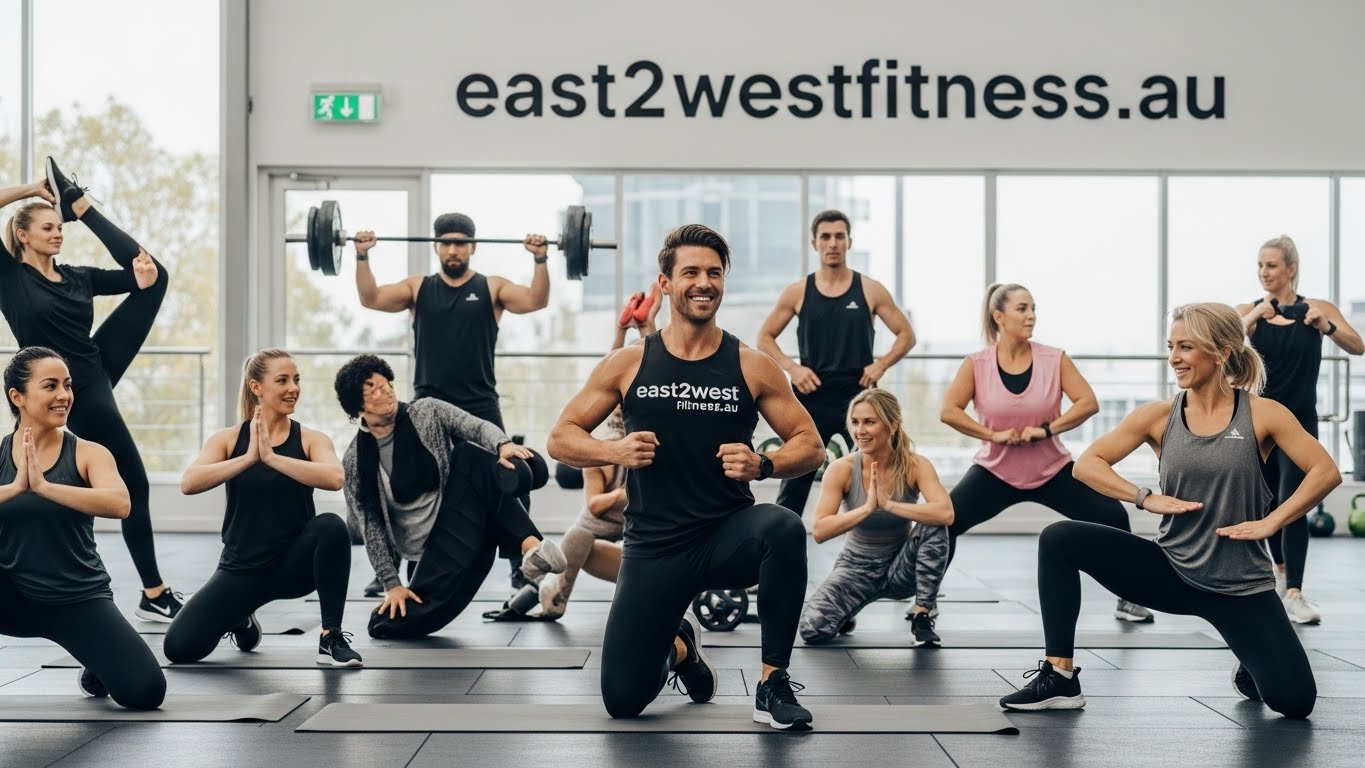
Questions and Answers: Common Questions About fitness classes in Australia
Q: I haven’t exercised in years; will I be able to keep up?
Yes. Instructors are trained to offer “regressions” (easier versions) for every exercise. You are encouraged to go at your own pace. The goal is to finish the class, not to beat the person next to you. It is perfectly okay to take extra breaks. The hardest part is walking through the door for the first time.
Q: What should I bring to my first class?
A water bottle and a towel are essential—you will sweat! Wear comfortable clothing that allows you to move freely and supportive athletic shoes. Some classes, like boxing, might require gloves (often available to rent or borrow), so check the description beforehand.
Q: How often should I do classes to see results?
Consistency is key. Aiming for 3 to 4 classes a week is a great sweet spot for most people. This provides enough stimulus to change your body while allowing enough recovery days to prevent burnout and injury.
Q: Are classes better than using the gym machines?
“Better” depends on your goals, but classes are generally better for intensity and motivation. You are likely to work harder in a 45-minute class than you would in 90 minutes pottering around the gym floor on your own. Machines are great for isolation, but classes are great for functional, full-body fitness.
Q: What if I have an injury?
Always arrive a few minutes early and tell the instructor. They can advise you on which movements to avoid or modify. For example, if you have a sore shoulder, they might swap overhead presses for bicep curls. Safety is the priority.
Conclusion: Your Path to a Successful fitness classes in Australia
Finding a workout routine that sticks is often about finding something you actually enjoy. The “addiction” to group fitness isn’t a bad habit; it is a positive feedback loop of endorphins, community, and achievement.